
As we rethink energy use, indoor solar cells reveal a future where our homes and devices are not just connected but sustainably powered—a small step with a big impact on our planet’s future.
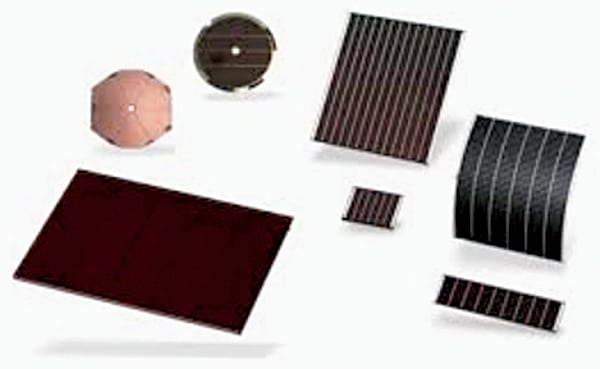
Indoor solar cells, or indoor photovoltaics, efficiently harness solar power from artificial light sources, such as LED lights, fluorescent bulbs, and incandescent lamps. Designed to operate under lower light intensities and the specific spectrum of indoor lighting, these cells are ideal for powering low-energy electronic devices and sensors in smart homes, offices, and industrial settings. Advancements in technology have significantly distinguished these cells from earlier iterations, opening numerous possibilities for integrating solar power into various indoor applications.
By harnessing ambient indoor light, these cells play a crucial role in reducing carbon footprints by minimising disposable battery use and dependence on non-renewable energy sources. This aligns with global efforts to combat climate change. As technology advances, indoor solar cells are increasingly enhancing energy efficiency and sustainability, making them particularly well-suited for small electronic devices, smart home systems, and IoT applications. The market for indoor solar cells is rapidly growing, driven by the rising demand for sustainable solutions, ongoing advancements in solar technology, and heightened environmental awareness. Investments in research and development are focused on improving their efficiency and integration capabilities, further expanding their market presence in residential, commercial, and industrial environments.
What is new in indoor solar cells?
The rise of indoor solar cells is fuelled by their potential to significantly enhance energy efficiency and sustainability. As the number of connected devices continues to grow, the need for sustainable power sources becomes increasingly urgent. Indoor solar cells offer continuous, renewable energy, reducing reliance on batteries and the grid—particularly beneficial for IoT devices, smart home gadgets, and other low-power electronics. Recent technological advancements have focused on improving their efficiency and versatility, enabling them to perform effectively under the low-light conditions typical of homes, offices, and industrial settings, unlike traditional solar cells designed primarily for outdoor use.