Designing modern automotives filled with complex electronics poses a variety of challenges. Can innovative materials such as adhesives, coatings, and resins help you extend circuit boards’ lifetime and protect them from environmental wear, electromagnetic interference, thermal breakdown, shock and impact resistance?
It is no secret that most advanced features in the latest automobiles are enabled by the digitisation and automation of vehicles, which rely on computer circuitry to perform various processes. However, this integration of multiple digital systems has introduced new reliability challenges. The good news is that selecting the right chemicals and adhesives can resolve most of these issues.
Selecting the right automotive adhesive
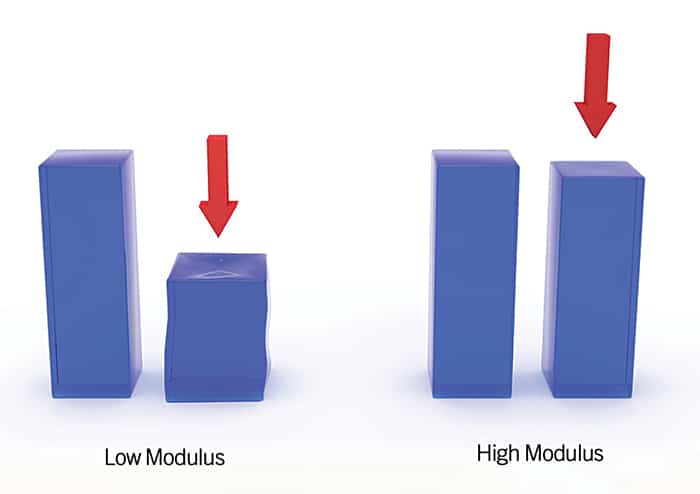
Adhesives cover a broad family of products used for bonding and secondary functions such as thermal management, flame retardancy, and shielding against electromagnetic interference (EMI). Bonding adhesives can be subdivided based on their compressive modulus, which measures how easily a bond joint compresses under pressure.
Some adhesives have high compressive moduli and are ideal for bonding structural components or body sealing to withstand frequent shocks and vibrations. These products improve panel stiffening, reduce the need for spot welding, and lower overall weight. Epoxy products cure to a stiff, rigid finish and provide a strong hold.
Speciality flame-retardant adhesives can be used as firewall materials to bond battery packs and to laminate materials around the powertrain in electric vehicles. Silicone adhesives are ideal gasket materials, as their elasticity provides the longevity and resilience required to withstand repeated stress along bonding joints. They are also widely used for bonding headlamps.
Thermal management is a primary design concern; circuit miniaturisation has increased the heat output of vehicle infotainment systems, advanced driver assistance systems (ADAS), engine control units (ECUs), DC-DC power converters, and battery systems. Selecting the right material depends on two principal considerations: cure time and consistency.
Lower modulus silicone materials available are suitable for bond joints subjected to repeated elastic compression or for components that may require rework.
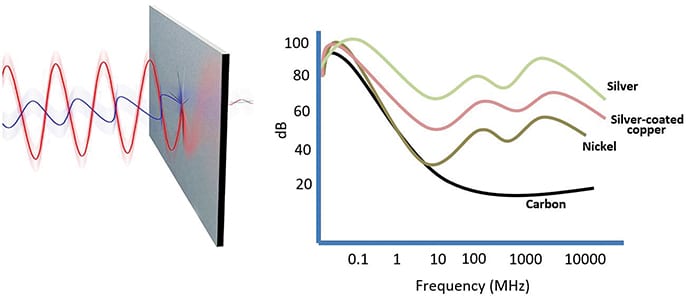
Electrically conductive adhesives are another class of speciality adhesives that use silver to enable electrical conductivity. These materials are mainly used as electrical conduits for trace repair and as EMI gasket materials.
Protective automotive coatings
When it comes to protective automotive coatings, much of the discussion centres on hard coats used to preserve body paint. However, there are also coatings that protect circuit components and conductors, ensuring continued operation and longevity.
Within the automotive sector, the conformal coating market is expected to achieve near-double-digit growth in the coming years, driven by rising demand for electronics-enabled safety and comfort features (Automotive Conformal Coatings Market, 2021). Modern vehicles are equipped with sensors supporting in-vehicle air quality systems, automatic braking systems (ABS), airbag actuation, and HVAC control. ECUs manage electrical sub-systems such as passenger seating, valve timing, anti-theft systems, and braking functions. Printed circuit boards (PCBs) enable the high-precision signal transmission required for engine, braking, and safety systems.
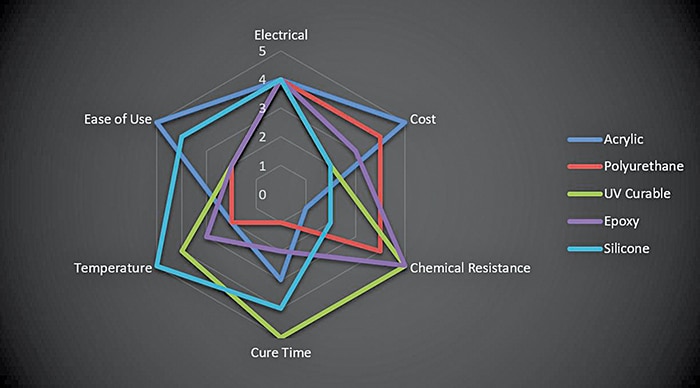
Overall, product selection involves multiple variables, with environmental exposure being the most critical.
Inside the vehicle cabin, where exposure to harsh chemicals is minimal, thermoplastic acrylic coatings and silicone-acrylic hybrid coatings are well-suited. They provide effective protection against moisture and dust and can be removed easily for rework if components are damaged.