




Could compact electric thrusters make satellite manoeuvres more efficient? A Hyderabad space-tech startup has reached an integration milestone with its latest propulsion prototype.
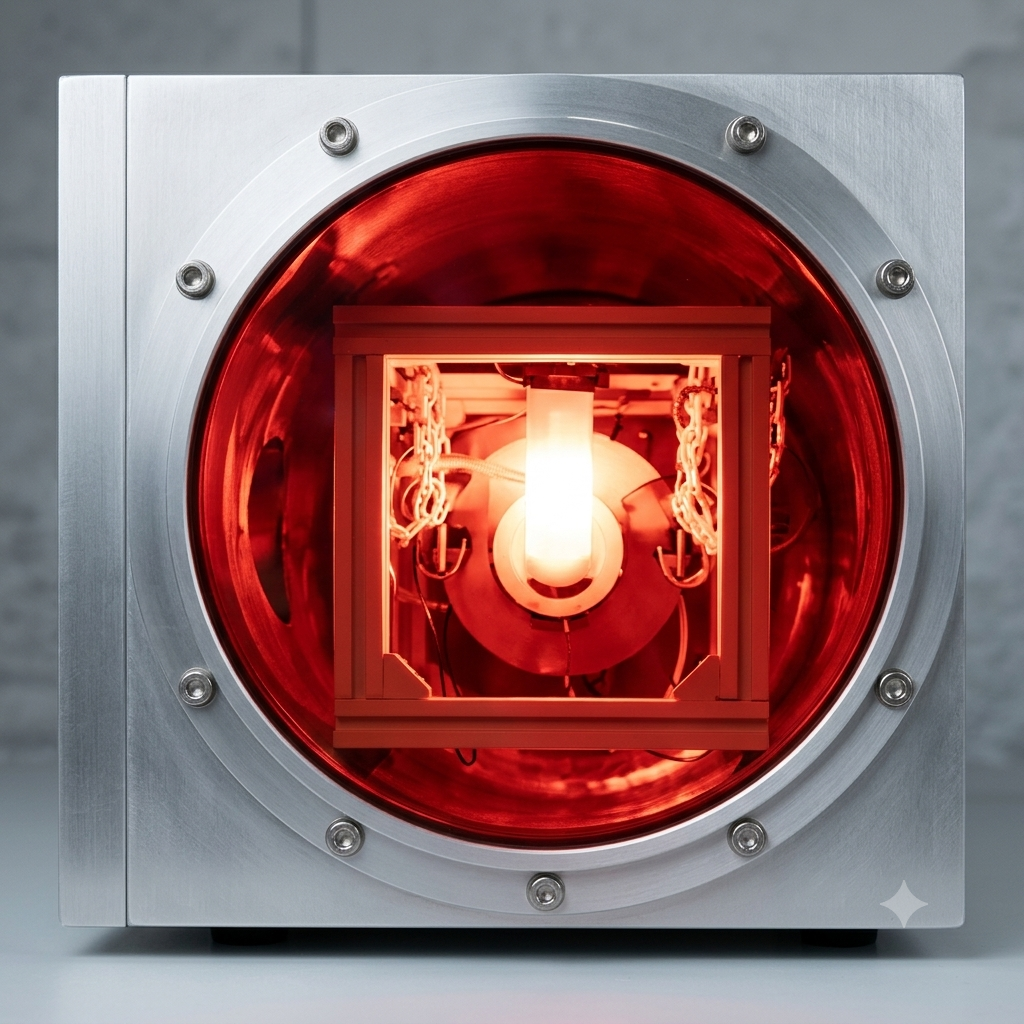
Hyderabad-based Kaara Space has completed the first integrated vacuum test of a Hall-effect thruster prototype, marking a development milestone for its electric propulsion technology.
The 550 W thruster uses argon as its propellant and is designed to produce 15 mN of thrust. The company is developing the system for satellites weighing 200–500 kg, according to a report by Runtime. The reported test marks progress towards integrating the hardware and subsystems needed for electric propulsion.
Unlike conventional chemical propulsion, which produces thrust through chemical reactions, electric propulsion uses electrical energy to accelerate a propellant. In a Hall-effect thruster, an electric field accelerates ionised gas, while a magnetic field helps control electron movement and sustain the ionisation process. The resulting exhaust produces thrust.
Although the thrust is relatively low, electric propulsion can use propellant more efficiently than chemical systems. This makes it suitable for sustained manoeuvres such as maintaining a satellite’s orbit, repositioning it and managing its operational trajectory. These manoeuvres can require extended periods of thruster operation.
Kaara Space has previously outlined its work on integrating propellant feed, power processing, magnetic-field generation, electron sources, thermal management and control systems. The performance of these interacting subsystems affects the stability and operation of a Hall-effect thruster.
The reported vacuum test is an important step, but it does not by itself establish flight readiness. Further performance characterisation, operational-life assessment and environmental qualification would be needed to determine the system’s suitability for space missions.


