

Flexible printed sensors embedded in mattress protectors could help care teams identify fall risks among older adults, enabling continuous, non-invasive monitoring without cameras or wearable devices.
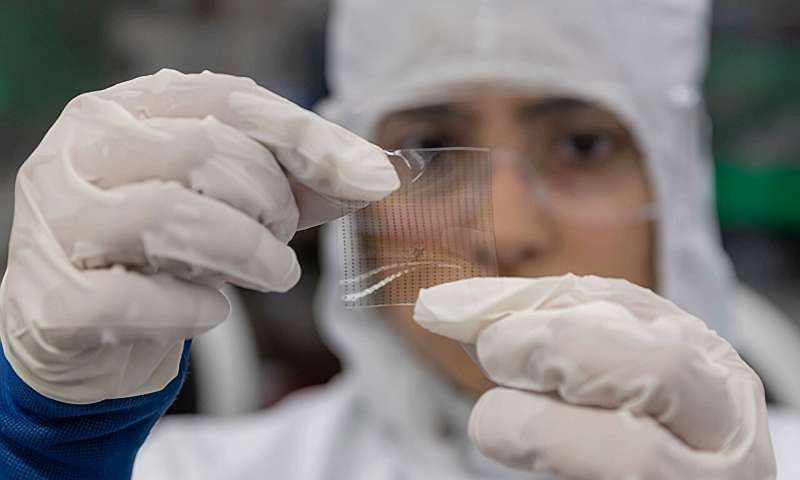
Australian medtech company Sleeptite and researchers at RMIT University have developed FlexiSense, a flexible printed-electronics technology integrated into mattress protectors to monitor body position and posture and help identify fall risks among older adults. The system has received a US patent covering its sensor design and manufacturing method, opening a route towards scalable production for healthcare facilities and home-based care.
The technology uses piezoresistive pressure sensors fabricated by printing silver and carbon inks onto flexible polyurethane sheets. Piezoresistive materials change their electrical resistance when mechanical force is applied. By detecting pressure variations caused by body movements, the sensors can provide information about a person’s position on a mattress without requiring wearable devices or camera-based surveillance.
The sensors are being developed for integration with Sleeptite’s REMi in-bed monitoring system. A wireless electronic module enables continuous data collection and cloud-based logging, allowing caregivers to monitor residents and respond when movement patterns indicate a potential fall risk. Detection of pressure-sore risk is also being explored as a future application.
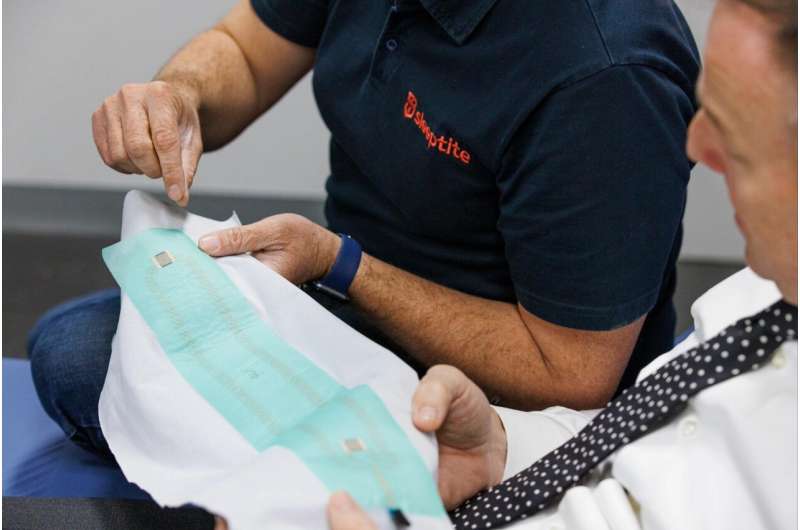
A key engineering challenge is producing flexible sensors that remain sensitive and reliable under repeated movement and pressure. The RMIT research team, led by Distinguished Professor Madhu Bhaskaran, tested the sensors using a rollator machine to assess durability, sensitivity and robustness. The researchers reported accurate body-motion detection with minimal power consumption.
The design also addresses manufacturing costs and compatibility. The sensors can be incorporated into different mattress types, while scalable fabrication techniques could support wider adoption in aged-care facilities. The US patent, granted in October 2026, covers both the sensing technology and its production process, supporting plans for manufacturing in Melbourne and potential small-batch production closer to overseas customers.
The technology has progressed beyond laboratory testing. A field trial at an aged-care home monitored six residents over more than 250 nights, generating over 6,100 bed-hours of monitoring data. The work involved RMIT, Sleeptite and manufacturing partner Sleepeezee Bedding Australia.
Published in Flexible and Printed Electronics, the research demonstrates how printed electronics can extend sensing capabilities into everyday materials. By combining flexible pressure sensors, wireless monitoring, and cloud-based data logging, smart bedding could provide caregivers with continuous information without disrupting residents’ routines.