Can an electric craft cut the cost of moving goods along India’s coast? A sea trial will test a technology designed to skim above the water.
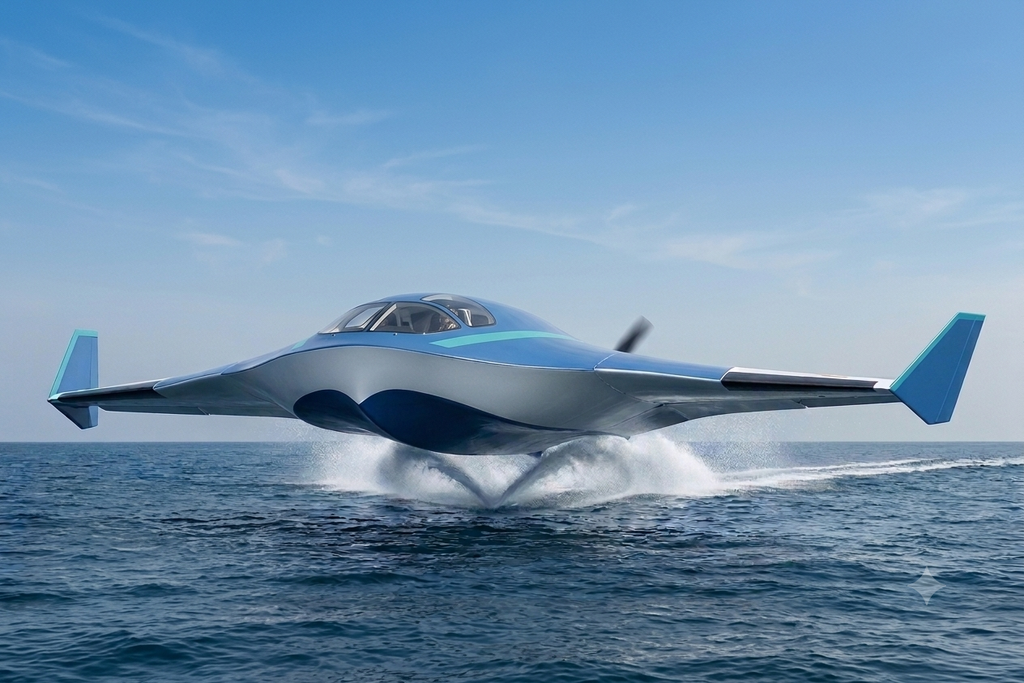
Waterfly Technologies, an IIT Madras-incubated startup, plans to conduct an ocean trial of its Hummingbird electric craft between Chennai and Puducherry by December 2026, aiming to establish its suitability for coastal cargo transport. The 300kg prototype has already undergone lake testing in Tamil Nadu.
The craft could eventually transport supplies to islands and offshore oil facilities, offering an alternative for selected coastal logistics routes. Waterfly is targeting operating costs below ₹10 per tonne-kilometre, although this remains a company estimate that requires validation through operational testing.
Unlike conventional boats, which move through water, Hummingbird is designed to travel above the surface. Its Wing-in-Ground (WIG) technology uses an aerodynamic phenomenon called the ground effect, in which flying close to a surface can reduce induced drag and improve aerodynamic efficiency. This could help the craft transport cargo with lower energy requirements, depending on its payload and operating conditions.
Waterfly began with a 30kg prototype, spending around six months developing and testing it before scaling the design to 300kg over another six months. During lake tests, the larger craft operated approximately 1.5 metres above the water. The company estimates a future range of around 1,000km per charge and is exploring ships equipped with solar panels and batteries as potential charging points.
Waterfly is also developing plans for a larger version capable of carrying a standard 20-foot shipping container, initially targeting Southeast Asian markets. It is discussing certification requirements with agencies, including Bureau Veritas, before progressing towards commercial cargo operations.