




An energy storage system using retired EV batteries has secured two major UL safety certifications.
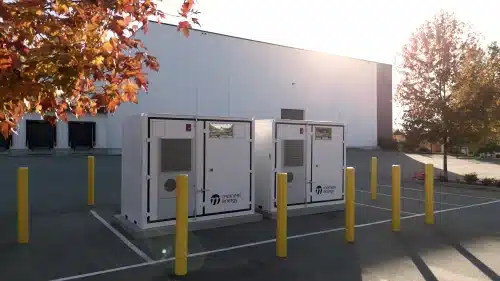
Moment Energy has introduced Nova, a battery energy storage system (BESS) built from retired electric vehicle batteries. The company says it is the first second-life EV battery storage system to receive both UL 1973 and UL 9540 certifications, marking a step towards wider commercial use of reused battery packs.
A single Nova system produces 200 kW of power and has a storage capacity of 500 kWh, which gives about 2.5 hours of power at full capacity. Several units can be linked to form storage systems of tens of megawatt-hours.
The system uses battery packs from various electric vehicles along with an AI-driven battery management system. Liquid cooling, smoke/heat detection, flammable gas detection and prevention of deflagration are some other functions of the system. Nova can function in temperatures ranging from -25°C to 50°C.
While UL 1973 is related to stationary battery testing, UL 9540 tests complete energy storage systems. Nova also went through the UL 9540A test for thermal runaway and fire propagation; however, this is just a test and not a certification. Nova’s factory separately has UL 1974 certification for used battery evaluation and repurposing.
Nova is now accepting orders, with delivery expected to be in the first quarter of 2027. According to Moment Energy, their lifetime exceeds 20 years due to their capacity-boosting program, but no prices or battery chemistries have been announced yet.
Vision Mechatronics in India has come up with second-life battery solutions, and JSW MG Motor and Vision Mechatronics have plans to reuse used EV batteries as storage solutions. The limitation that India faces is the relative youth of its EVs, which means that there aren’t many used batteries to work with yet. Nova is targeting North America only.
For more information, click here.

