




The new surface-mount technology components enable 305 VAC capability, offering greater line-to-line protection from voltage surges in industrial, energy and consumer electronic applications.
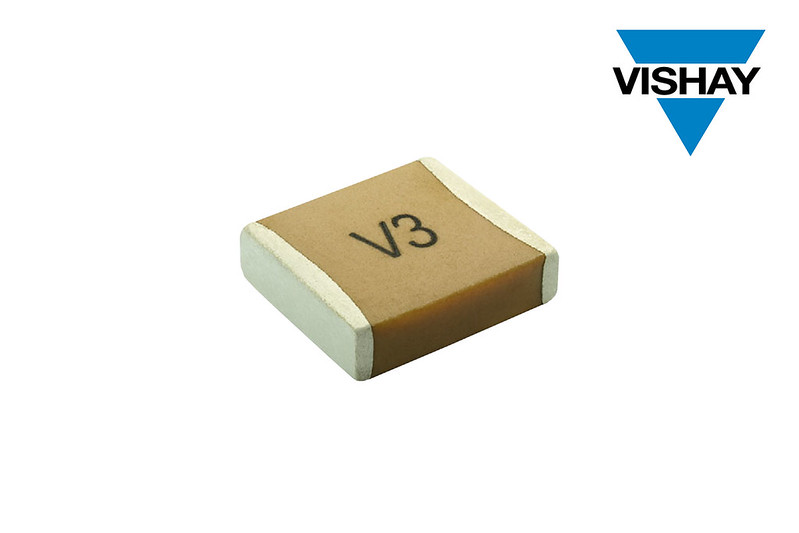
Surface-mount multi-layer ceramic capacitors (MLCCs) which have been created for use in critical safety application have been introduced with 305 VAC rating, expanding the capability of protection in circuits that face supply voltage spikes and voltage surges. The 305 VAC rating will be useful in applications requiring better line-to-line protection.

The Vishay Vitramon 305 VAC VJ Safety Certified Capacitors offered by Vishay Intertechnology have been certified to IEC 60384-14 for X1 safety usage. The series includes a combination of 305 VAC maximum operating voltage and 2 kVDC maximum voltage and 5 kV peak impulse voltage rating. Such specifications make the capacitors ideal for applications like EMI filtering, electrical isolation, lightning strike and voltage surge suppression.
The key characteristics are:
- 305 VAC rated voltage with 2 kVDC voltage rating.
- 5 kV peak impulse voltage capability.
- IEC 60384-14 X1 safety certification.
- 270 pF to 4.7 nF capacitance range.
- X7R dielectric with -55°C to +125°C operating temperature.
These components are designed for use in energy and industrial devices as well as consumer electronics and household appliances where reliability is critical. With their X1 rating, these capacitors can be used for line-to-line applications and also have higher voltage tolerance, which will help the designers cater to any variance above nominal voltage.

This series makes use of an X7R dielectric along with a noble metal electrode (NME) construction using a wet build process. The capacitors come in 2220 case size and provide capacitances from 270 pF to 4.7 nF. The components have been designed to function in the temperature range of -55°C to +125°C and are RoHS-compliant, halogen-free, and Vishay Green-certified. This is what makes them suitable for use in electronic systems with varying operating conditions.
For more information, click here.

