A sensor-rich assistive robot is helping a disabled couple manage daily routines at home, highlighting how intelligent electronics could address growing eldercare challenges and caregiver shortages worldwide.
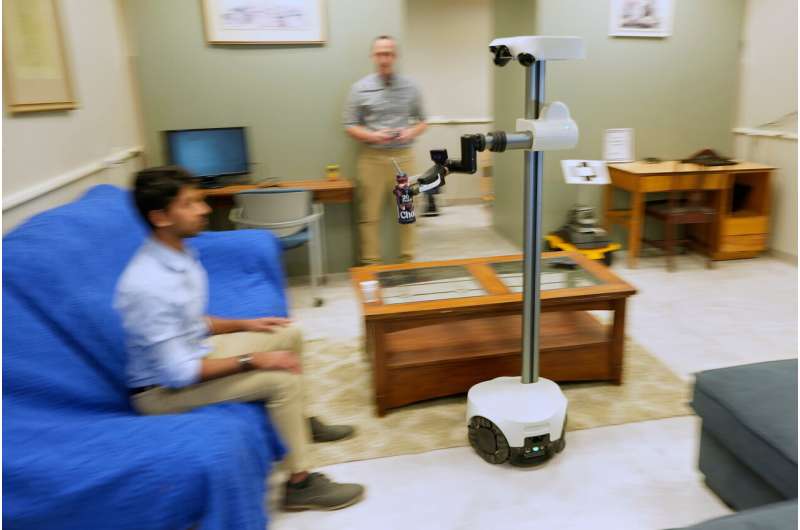
A mobile assistive robot equipped with cameras, sensors and AI-driven guidance systems is demonstrating how electronics-based caregiving technology could help older adults remain in their homes longer, as healthcare systems grapple with rising demand for eldercare services.
The robot, nicknamed “Robbie,” is assisting a New Hampshire couple living with significant physical and cognitive disabilities. Developed around the Stretch 4 robotic platform, the system provides structured daily support ranging from exercise coaching and medication reminders to hydration prompts and personal hygiene guidance. Its deployment offers a real-world example of how intelligent robotics is moving beyond research labs into home-care environments.
Robbie uses an array of onboard cameras and sensors to monitor its surroundings, identify users and deliver context-aware assistance. The robot can guide exercise sessions through an integrated display, remind users about meals and medications, and respond to activity patterns within the home. More advanced versions include a telescoping robotic arm that can retrieve objects such as water bottles and help users read prescription labels.
The project is being piloted through research efforts at the University of New Hampshire with support from the U.S. National Institute on Ageing. Researchers believe such “socially assistive” robots could play an important role in addressing workforce shortages affecting home healthcare services, particularly as ageing populations continue to grow.
Unlike futuristic humanoid robots, Stretch 4 adopts a practical design focused on functionality over aesthetics. Researchers involved in the project found that reliability and usefulness matter more to users than human-like aesthetics. The system combines mobility, environmental sensing and task automation to reduce caregiver workload while supporting independent living.
Although the robot remains expensive at roughly $30,000 and is not yet a mass-market product, its successful use in home care highlights a growing opportunity for electronics manufacturers developing AI-powered assistive technologies. As demand for ageing-in-place solutions rises, sensor-integrated caregiving robots may become an increasingly important segment within the healthcare electronics market.