Can robots keep urban waterways clean without putting workers inside them? A cable-driven system is tackling waste in a difficult canal environment.
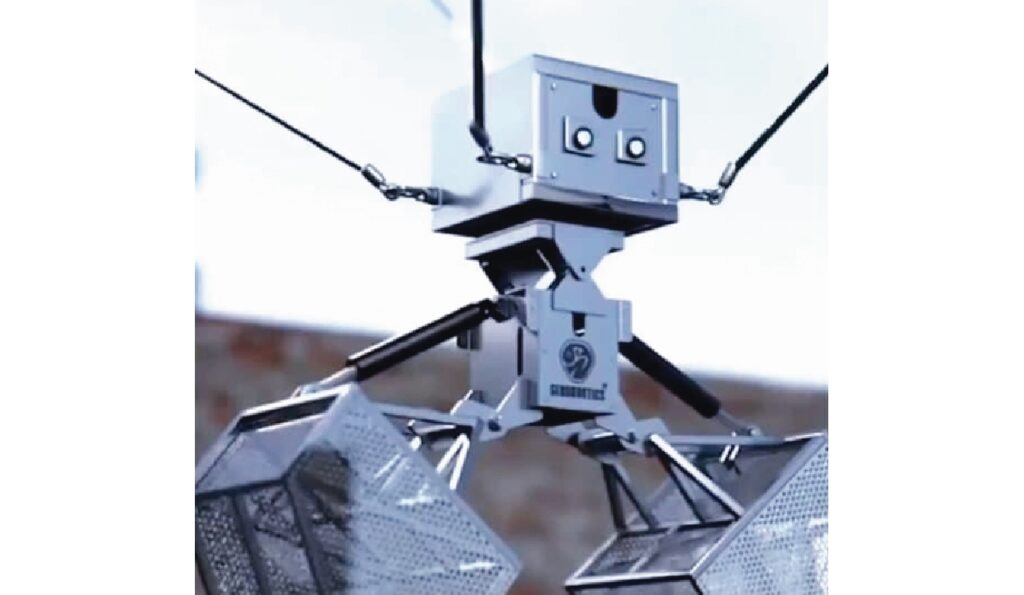
Genrobotics, a Kerala-based robotics startup, has used its AI-powered G-SPIDER robotic canal-cleaning system to remove an estimated 168 tonnes of waste from the Amayizhanchan Canal in Thiruvananthapuram between February and June 2026. The deployment was carried out with the Thiruvananthapuram Municipal Corporation under the Swachh Bharat Mission–Urban 2.0 to mechanise canal cleaning and reduce the need for human entry into hazardous sections.
The system completed 56 waste collection cycles during the operation, which ran from 4 February to 16 June. The deployment targeted accumulated waste while supporting water flow and routine waterway maintenance.
The canal section beneath the Central Railway Station at Thampanoor presented restricted access, low vertical clearance, continuous water flow, limited equipment access, and no safe points for human entry. These conditions make conventional cleaning methods difficult and create additional risks for workers.
G-SPIDER uses a Cable-Driven Parallel Robotics (CDPR) architecture combined with machine vision and sensor systems. The platform can detect and assess waste, collect and remove debris, and operate remotely in confined environments. Its design allows mechanised cleaning without requiring operators to enter the canal.
The operation also demonstrated that removing accumulated waste alone does not address continuous pollution. Plastic bottles, food packaging, household waste, vegetation, and other floating debris continued entering the canal through runoff and improper disposal.
To intercept incoming waste, the deployment used a multi-level barricade system positioned at strategic locations in the canal. The barriers captured floating debris before it moved downstream, after which the robotic system identified, monitored, and removed the collected material.
The deployment therefore combined robotic collection with physical waste interception and continuous monitoring. This approach could support maintenance of waterways where restricted access, flowing water, and hazardous conditions limit the use of conventional cleaning equipment.