

Japan’s Asahi Kasei has developed a method using lithium carbonate to reduce lithium losses in silicon-based lithium-ion batteries, potentially increasing energy density by 10%.
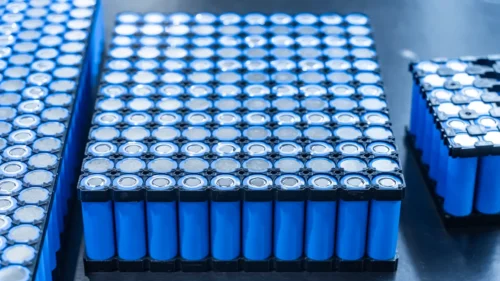
Japan’s Asahi Kasei has developed a battery technology that uses lithium carbonate as an extra lithium source to reduce energy losses in lithium-ion batteries with silicon-based anodes.
The company’s pre-doping method adds lithium carbonate to the battery so that additional lithium can be supplied during the battery’s first charge rather than being lost. According to the article, this allows the lithium carbonate to break down at the battery’s normal operating voltage.
The approach targets an important challenge with silicon-rich batteries. Silicon can store more lithium than graphite, making it attractive for developing batteries with higher energy density. However, lithium can be consumed during the initial operation of silicon-based cells, reducing the amount available for later charging and discharging.
By compensating for this initial lithium loss, the lithium-carbonate method is intended to improve the battery’s usable energy density without requiring a complete redesign of the cell.
The reported improvement is 10% in energy density. If this result can be reproduced at larger scale, the approach could provide a relatively straightforward way to increase battery performance while maintaining the existing cell design.
The technology is particularly relevant as battery developers look for ways to move beyond conventional graphite anodes. Silicon-based materials offer greater lithium-storage potential, but controlling their lithium consumption and maintaining practical cell performance remain important challenges.
Overall, the method demonstrates how modifying the battery’s lithium balance during its first charge could help unlock more of the energy-storage potential of silicon-based batteries.