




A new solid-state battery reaches 381 Wh/kg as mass production begins, marking a step towards higher-energy storage using an established manufacturing platform for electric mobility.
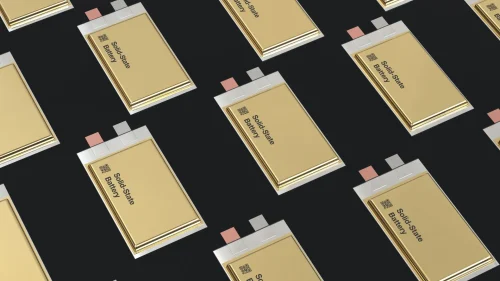
ProLogium has begun mass production of its Gen 3.5 solid-state battery at its Taiwan factory, with the cell achieving an energy density of 381 Wh/kg. The milestone represents a move from laboratory-scale development towards higher-volume manufacturing, addressing one of the major challenges facing solid-state batteries: producing high-performance cells reliably at scale.
The company has developed its battery technology through several manufacturing stages. Its Sheet-by-Sheet production line began commercial operation in 2013, followed by a Roll-to-Roll production line in 2017. Its third-generation Giga-level manufacturing platform entered operation in 2024. This progression has allowed ProLogium to carry manufacturing knowledge, equipment and process improvements forward between battery generations.
At the centre of the platform is the company’s Lithium ceramic battery architecture. It uses a ceramic separator and an edge-frame structure extending around the electrode perimeter, helping provide insulation and isolate potential burrs. While the architecture remains unchanged, ProLogium has continued to develop its electrolyte chemistry and active materials.
The Gen 3.5 cell is also designed to meet applicable safety and performance requirements. According to the source, the cell has been certified as an all-solid-state battery under the Chinese standard GB/T 38031, while the certification has also been submitted for international standardisation reference.
The manufacturing strategy is intended to reduce the gap between promising solid-state laboratory cells and dependable high-volume production. ProLogium says its approach carries manufacturing capabilities between generations rather than restarting the process each time.
The company is also developing a new manufacturing facility in France, with production planned to support automotive applications. The Taiwan operation provides a foundation for scaling the technology further, while the Gen 3.5 platform demonstrates how solid-state battery development can progress towards commercial manufacturing.

