




Can an aircraft cover larger areas without relying on multiple lifting propellers? Fixed-wing UAVs use forward motion to generate lift, offering a different approach to aerial surveillance.
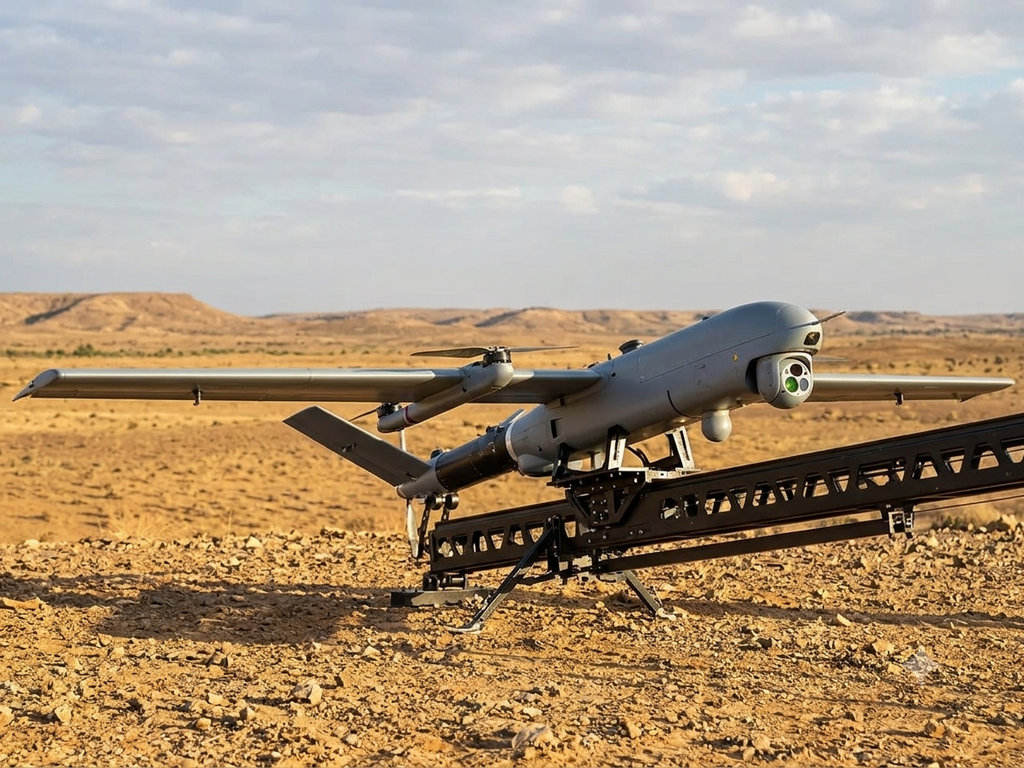
Indowings have revealed the STRIKE-2. This tactical UAV uses a fixed wing design to cover larger areas of land during surveillance missions. It is aimed to be used for missions like reconnaissance, mapping and monitoring remote areas.

The Fixed-wing UAV does not use rotors like multi rotor drones, but use forward movement to create lift. This could make them ideal for covering larger areas, however the exact range and endurance will depend on the propulsion, aerodynamics and equipment.
The type of surveillance it would be able to conduct will depend on the type of electronics it has. To maintain flight, there should be flight control and navigation systems. Communication will be needed to control and communicate data.
The sensors involved in the UAV it has will depend on what sort of data it is aimed to collect. Whilst the company has revealed the STRIKE-2 for autonomous flight they have not revealed any details about the flight control hardware, navigation, communication, sensor systems or how autonomous it is.
Other specifications, including flight endurance, operational range, payload capacity, maximum take-off weight and launch and recovery mechanisms, are also yet to be announced. These details will be important in assessing how the aircraft can be deployed and what surveillance tasks it can perform.
Click here for the official announcement.


