





ZF’s high-speed electric drive could reduce motor size and weight by nearly 25 per cent while using half the magnet material of a comparable motor.
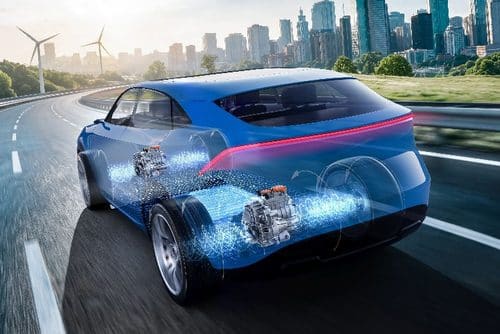
German component giant ZF has unveiled a compact, 3-in-1 electric vehicle drivetrain capable of spinning at up to 30,000rpm, well above the 18,000rpm ceiling typical of current passenger EV motors. Dubbed the High Revolution Drive, the unit packs a 200kW motor, power electronics, and a two-stage transmission into a single housing that is nearly 25 per cent smaller and lighter than ZF’s existing benchmark systems.
Because electric motor power is a function of both torque and rotational speed, pushing the rotor to 30,000rpm lets ZF extract the same 200kW output from a much smaller physical footprint. That compact geometry requires roughly half the permanent magnet material used in a comparable 18,000rpm drive.
To translate those extreme motor speeds into usable road traction, the system routes power through an 18:1 reduction gearbox. This setup delivers up to 3,500Nm of peak torque at the wheels while maintaining roughly 93 per cent overall efficiency across the drive cycle.
ZF plans to bring the High Revolution Drive to series production by 2030, targeting passenger cars and light commercial vehicles in the 150–200kW segment. For now, the performance figures reflect internal development benchmarks, and the supplier has yet to name launch customers or confirm compatibility across 400V and 800V architectures.
Even with production four years away, halving rare-earth magnet consumption carries immediate weight for markets like India. Just days ago, the Ministry of Heavy Industries issued Letters of Intent to four firms (Coal India, ReNew, Prozeal Green Energy, and Midwest Energy) under its ₹7,280-crore scheme to build domestic sintered magnet capacity and curb import reliance. If high-speed motor architectures become the industry standard by the end of the decade, Indian EV makers will need far fewer magnets per vehicle to scale local production, directly easing long-term supply-chain pressure even without an India-specific manufacturing announcement from ZF.
For more information, click here.