




A rubidium-based sensor has demonstrated over-the-air signal detection and is moving towards field testing.
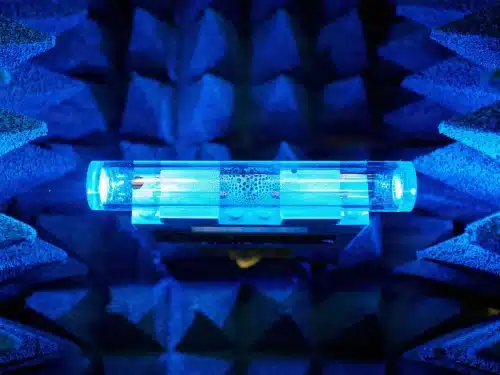
Hanron Space is developing a rubidium-atom-based quantum sensor designed to detect weak radar and communication signals that conventional receivers may struggle to decode. The technology has reached Technology Readiness Level (TRL) 4, and the company is working to miniaturise it into a shoebox-sized device for field testing within a year.

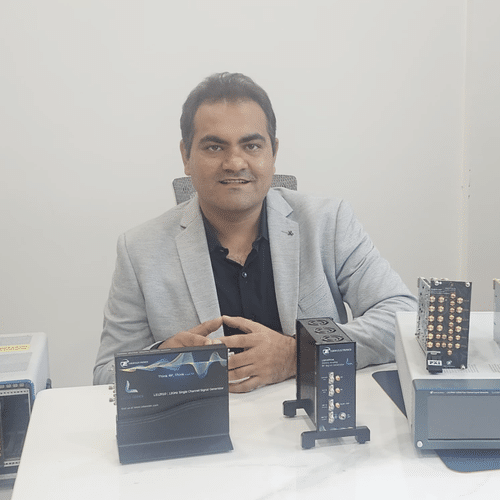
The company is developing the sensor as part of a hybrid quantum radar architecture that can work alongside conventional radar systems. In a recent conversation with Nikhil Mitaliya, founder of Hanron Space, he revealed that the company has transmitted frequency-modulated signals over the air and successfully demodulated them using its rubidium-atom-based sensor. “We are not developing a completely quantum, end-to-end radar system. Instead, our approach uses a hybrid architecture that can work alongside existing conventional radar systems,” Nikhil said.
One of the challenges the company wants to address is detecting targets that produce weak radar returns because of their small radar cross-sections. These weak returns can be difficult for conventional receivers to detect, making sensitivity an important development objective for the quantum sensor.
Beyond radar applications, the sensor could also be used for drone detection and spectrum monitoring. The primary target customers are the defence services. In future, healthcare could be a potential application.
The next milestone for Hanron Space is to move its quantum sensor from laboratory testing to field trials. After developing a shoebox-sized version within a year, the company targets commercialisation of its hybrid quantum radar within the next two years.
