




The tiny papaer-based cell generates electricity from natural subtrates and causes no harm to the environment

Portable electronic devices nowadays are ‘single-use and dispose’ types wherein after a certain time their technology gets old and is discarded to be replaced with a newer version. The batteries inside them consequently get discarded too. The button or coin cell power sources powering such devices are difficult to recycle, toxic or dangerous to the environment. This calls for the development of safe and ecological alternatives.
Over the years, many batteryless technologies have been invented that are eco-friendly and powered by harvesting energy, whether natural or artificial. Adding to that is another batteryless technology, which effectively solves the problem associated with miniature batteries and e-waste. This new technology combines papers and enzymes to produce electricity. Yes!! You read that right. The paper-based, ultra-thin, flexible and miniature bio-enzymatic fuel cell system uses biological catalysts instead of chemical or expensive noble metal catalysts to convert natural substrates such as glucose and oxygen into electricity.
“We produce paper-based biofuel cells to replace conventional miniature batteries found in portable or wearable devices, ultimately reducing environmental impact,” said Dr Jules Hammond, CEO, BeFC Bioenzymatic Fuel Cells.
The company exploits enzymes, carbon electrodes and paper microfluidics for its sensor products. The glucose and oxygen present in bio-sourced sustainable materials are converted into electricity. This metal and plastic-free technology provides a sustainable and environmentally-friendly method of generating energy. The devices can be operated with just a drop of solution, from tap water to biological fluids. Also, there is no risk of auto-ignition.
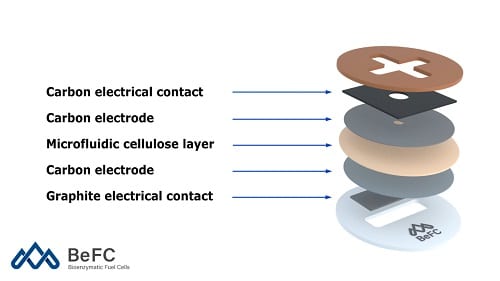
Optimal for low-power applications requiring collection and processing of sensor data, these biofuel cells can be implemented for applications such as monitoring, logistics/transportation and Internet of Things (IoT).
With this solution, it will be possible to develop affordable and clean energy for the next generation of smart and connected electronics. As Jules Hammond says, “Together, power the future with nature.”


