




A hybrid powertrain combines advanced combustion, optimized energy management, and renewable fuel to lower emissions and fuel consumption.
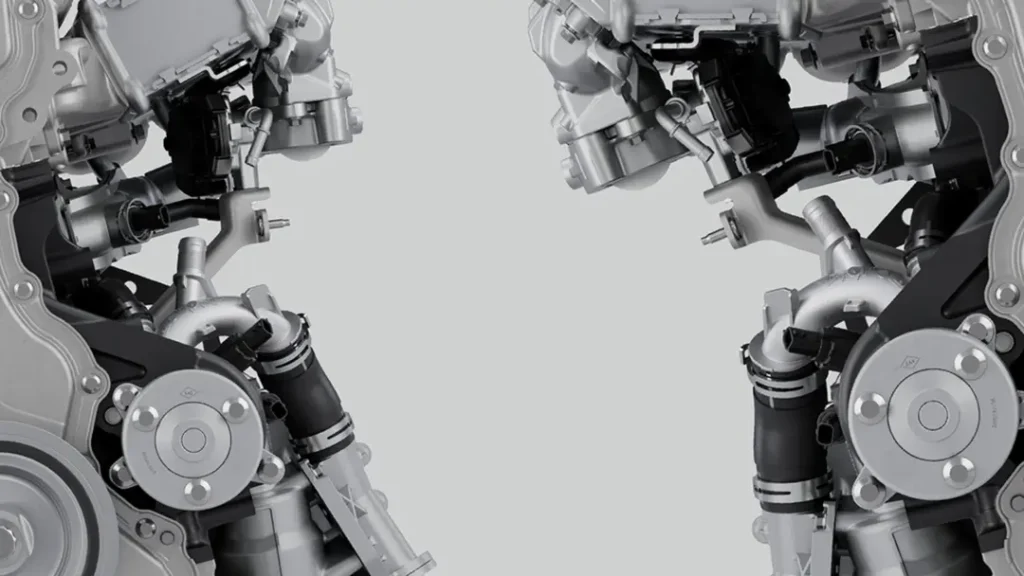
Horse Powertrain, in collaboration with Repsol, has developed the HORSE H12 Concept, a next-generation hybrid engine designed for high efficiency and low fuel consumption. The engine achieves a peak brake thermal efficiency of 44.2% and reduces vehicle fuel use by 40% compared with the 2023 European passenger car average, translating to less than 3.3 liters per 100 kilometers under standardized WLTP testing.
The hybrid powertrain integrates a single innovative combustion system with a 17:1 compression ratio, an optimized turbocharger, a new-generation exhaust gas recirculation system, and a high-energy ignition system. Internal losses are reduced through advanced lubrication and an improved hybrid gearbox with optimized energy management. These features work together to enhance energy conversion and overall powertrain efficiency.
By maximizing efficiency, the engine directly lowers CO₂ emissions. When paired with Repsol’s 100% renewable gasoline, a mid-size vehicle driving an average of 12,500 kilometers annually emits approximately 1.77 tons of CO₂ less per year than a comparable vehicle using traditional fuel and combustion engine technology.
The integrated system offers multiple advantages, including improved energy management, reduced fuel consumption, and compatibility with hybrid powertrain configurations. Its design supports applications in mid-size passenger vehicles, range-extended hybrids, and low-emission mobility solutions. The combination of a highly efficient engine and renewable fuel provides flexibility for near-term decarbonization without requiring significant modifications to existing vehicle platforms.

The project demonstrates practical integration of advanced combustion technologies, optimized hybrid control, and alternative fuels to meet energy and emissions goals.
Luis Cabra, Executive Managing Director of Energy Transition and Deputy CEO of Repsol, says, “This collaboration shows that decarbonization can be accelerated through innovative and accessible technological solutions. The use of 100% renewable fuels is a net zero emission solution, complementary to electric vehicles, for decarbonizing the transport sector.”

