


What if cameras could know you just by walking? This AI-driven system tracks footsteps and alerts when the unknown steps in.
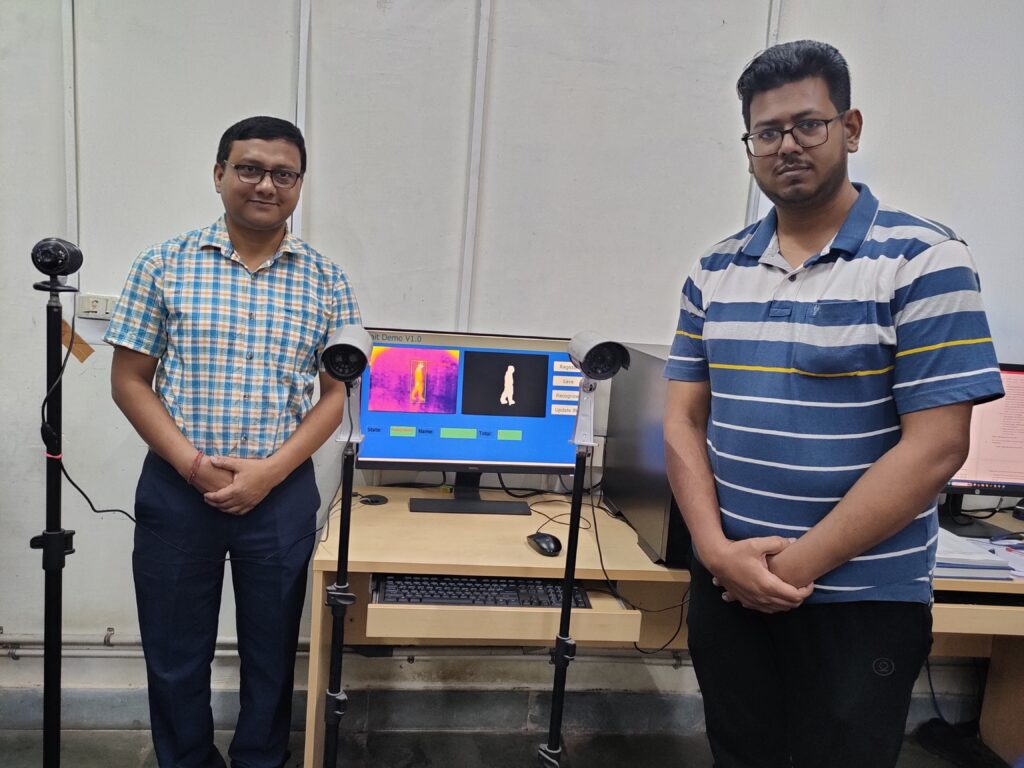
Researchers at National Institute of Technology Rourkela (NIT Rourkela) have developed and patented an automated surveillance system that detects and tracks individuals in complex building environments using gait recognition and thermal imaging. The system identifies people based on their unique walking patterns, allowing monitoring in low-light or night-time conditions without requiring manual oversight.

Conventional CCTV setups often need constant human supervision and struggle to track individuals across multiple cameras, particularly in large campuses or areas with occlusions. The system addresses this by combining biometric gait analysis with thermal imaging, enabling automated detection of unauthorized or unknown individuals and generating real-time alerts.
The prototype integrates three thermal cameras with a central server, supporting multi-point tracking, temporary record keeping for unidentified persons, and analysis of entry and exit patterns. Thermal imaging distinguishes humans from background elements even in low visibility, while automated tracking allows continuous monitoring across different zones. Historical gait data is stored for forensic review or pattern analysis, adding an analytical dimension to surveillance.
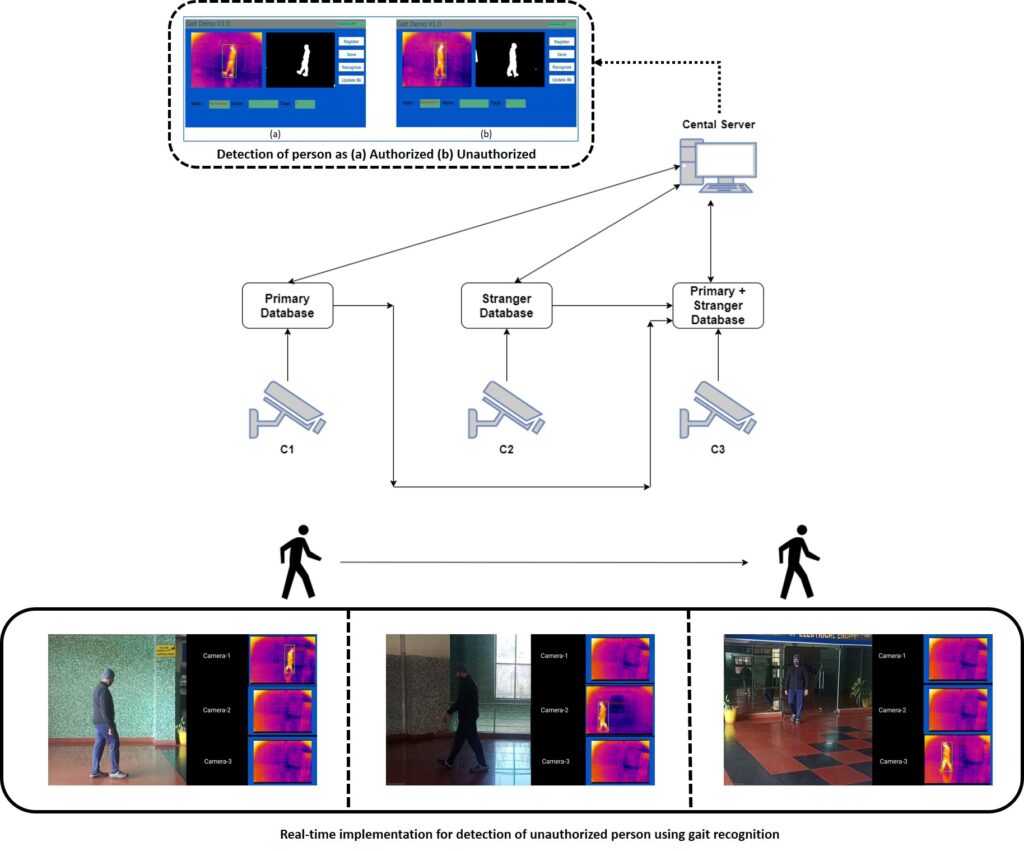
“Developed at an estimated cost of Rs. 1.90 lakh, the system uses thermal imaging for low-light operation and gait-based recognition for non-intrusive identification,” says Prof. Samit Ari, Department of Electronics & Communication Engineering, NIT Rourkela. “The approach focuses on consistent detection and multi-camera tracking rather than replacing human judgment.”

The system is designed for environments such as academic institutions, corporate campuses, and industrial or high-security facilities where monitoring complex layouts is critical. Its combination of thermal imaging and gait analysis demonstrates a step toward more automated, data-driven surveillance technologies capable of functioning under challenging conditions.