





A livestreamed battery charging session reached unusually high temperatures while demonstrating how rapidly next generation EV charging technology is advancing.
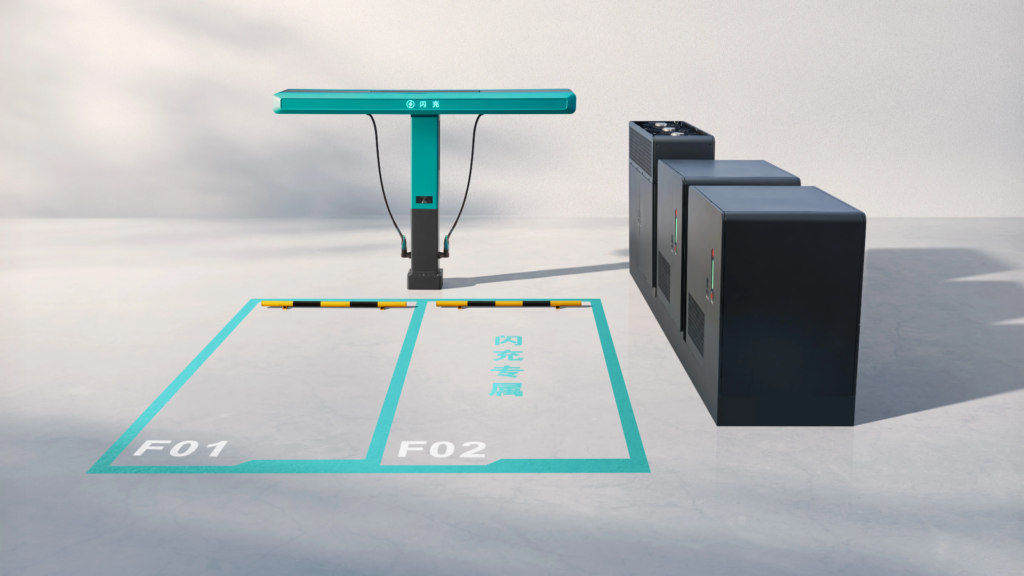
BYD has recently sparked debate in the EV industry after a livestreamed charging test of its second generation Blade Battery recorded temperatures as high as 169.6°F during megawatt flash charging. The test was conducted on a Fangchengbao Leopard 3 and aimed to evaluate the company’s Megawatt Flash Charge technology under real world operating conditions.
The charging session quickly attracted attention because the reported battery temperature exceeded China’s recommended safety threshold of 149°F for lithium iron phosphate battery cells. The incident has fueled discussions around the thermal impact of ultra fast charging systems, which are designed to dramatically reduce EV charging times and make electric vehicle refueling more comparable to gasoline powered vehicles.
Despite the concerns, BYD says its second generation Blade Battery has been engineered to support both high speed charging and long term durability. The company claims the new battery improves warranty capacity retention standards by 2.5 percent compared with the earlier generation while also introducing a lifetime warranty for battery cells. BYD positions these upgrades as proof that faster charging does not necessarily compromise long term battery performance.
Battery experts note that elevated temperatures remain one of the biggest technical challenges for ultra fast EV charging. A key concern involves the Solid Electrolyte Interphase, or SEI layer, which protects the battery anode during charging and discharging cycles. Researchers say this layer can begin degrading at temperatures above 158°F, potentially accelerating battery wear and increasing long term thermal stress if high temperature exposure becomes frequent.
Alongside performance improvements, BYD has also emphasized safety features within the Blade Battery platform. During the battery’s unveiling, the company demonstrated a high stress test where four battery cells were deliberately short circuited for 24 hours without causing fire or explosion.
The demonstration was intended to showcase the thermal resilience and structural safety of the battery design.


