
New photonic films enable solar panels to mimic roof tiles while retaining 95% of their power output, opening the door to aesthetic, building-integrated photovoltaics in homes and urban infrastructure.
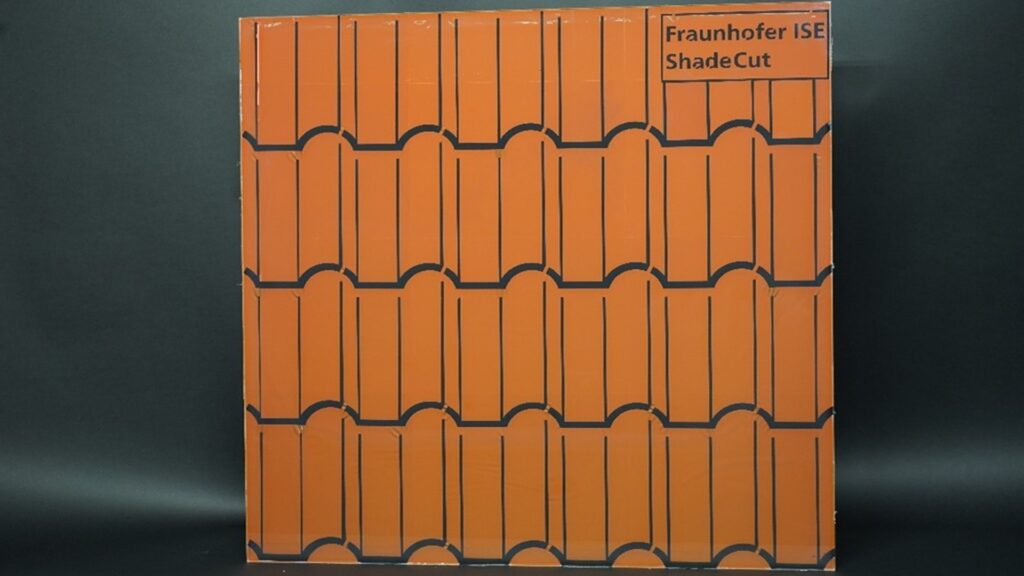
Solar panels may soon stop looking like solar panels. New electronics-driven coatings are enabling photovoltaic modules to blend into rooftops while preserving most of their performance.
Researchers in Germany have developed coloured films that enable solar panels to mimic materials such as clay tiles or masonry, addressing one of the biggest barriers to adoption—appearance. The innovation uses advanced photonic structures instead of traditional pigments, allowing panels to display colour without significantly blocking sunlight.
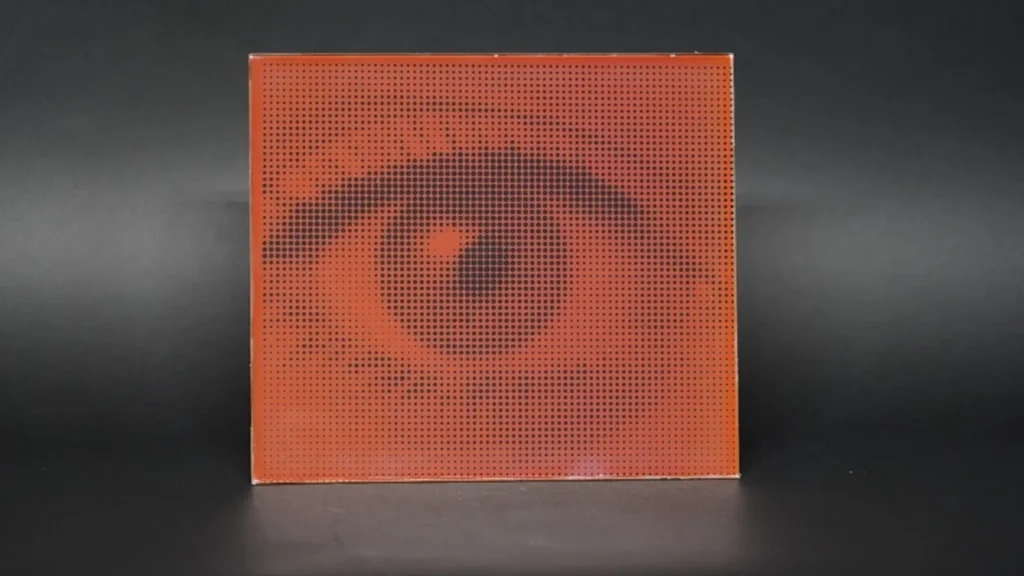
Unlike earlier attempts at colored photovoltaics that sacrificed efficiency, the new approach retains about 95% of the power output of standard panels. That translates to only a marginal performance drop, a major improvement over previous designs, which often experienced steep energy losses.
The technology, built on systems such as MorphoColor and ShadeCut, works by structuring thin films with microscopic patterns. These selectively reflect certain wavelengths (creating visible colour) while allowing most of the solar spectrum to pass through to the underlying cells.
This enables solar modules to replicate textures and patterns—from terracotta roof tiles to custom architectural designs—without bulky overlays. The result is a new class of building-integrated photovoltaics (BIPV), where energy generation becomes part of the structure itself rather than an add-on.
The implications are significant for urban deployment. Aesthetic concerns have long limited solar adoption in residential areas, especially in heritage zones or premium housing where visual uniformity matters. By blending into rooftops, these systems could unlock installations in areas previously resistant to conventional panels.
The modules are also compatible with standard photovoltaic systems, reducing the need for redesigning installation infrastructure. Researchers say the technology could extend beyond roofs to facades and even decorative elements like railings.
While costs and scalability remain challenges, the development signals a shift toward design-friendly renewable energy. As cities push for cleaner power without compromising aesthetics, colored solar electronics could move from niche innovation to mainstream architecture.