




A quantum switching device dramatically boosts chip speed, minimizing heat, transforming battery life and computing efficiency. How?
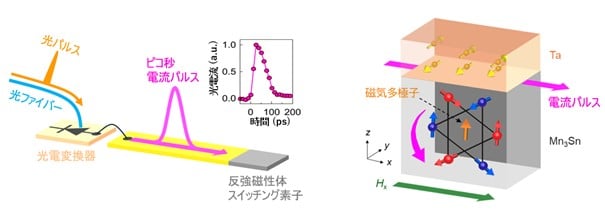
Researchers at The University of Tokyo have developed a new quantum switching device capable of increasing computer chip processing speeds by nearly 1000 times without generating the excessive heat typically associated with high performance computing. The breakthrough could pave the way for a new generation of ultra efficient laptops, smartphones, and data center hardware, although commercial adoption is still expected to take several years.
The newly developed component, called a non volatile quantum switching element, processes and stores information using the magnetic properties of electrons instead of depending on the continuous flow of electrical current. This fundamentally different approach could address one of the biggest limitations facing modern processors: heat generation during rapid data processing.
Conventional chips usually take about one nanosecond to record a single bit of information before overheating becomes a major concern. In laboratory testing, however, the Tokyo team demonstrated processing speeds of just 40 picoseconds per bit, representing a thousand fold improvement in switching performance.
The device is built using layers of tantalum and mangansin. During operation, an electrical signal passes through the tantalum layer, which converts the signal into magnetic information stored inside the mangansin layer. Instead of relying on sustained electrical current, the system records information through tiny magnetic force directions, significantly reducing energy loss and heat production.
Researchers believe the technology could eventually lead to highly power efficient computing systems. Future laptops, for example, may achieve dramatically longer battery life while handling intensive AI, graphics, and data processing workloads more efficiently. Reports surrounding the research suggest devices such as premium laptops could theoretically run for months on a single charge if the concept matures successfully.
The development also carries implications for next generation AI hardware, edge computing systems, and large scale data centers, where thermal management remains one of the industry’s most expensive operational challenges.


