
Sodium-ion batteries are emerging as a lower-cost alternative for electric vehicles, complementing lithium technology with affordability, durability and improved cold-weather performance.
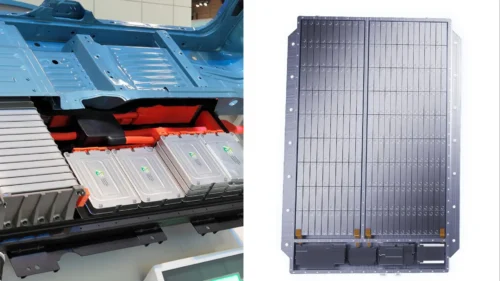
Contemporary Amperex Technology Co., Limited (CATL) is accelerating the commercialisation of sodium-ion batteries, positioning the technology as a complementary alternative to lithium-ion cells rather than a direct replacement. As manufacturers explore hybrid battery packs and affordable electric vehicles, sodium-ion chemistry is gaining attention for its lower cost, abundant raw materials and strong performance in cold climates.
For years, lithium-ion batteries have dominated the electric vehicle market because of their superior energy density. However, sodium-ion technology has advanced rapidly, with commercial cells approaching performance levels suitable for city cars, delivery vehicles, buses and stationary energy storage systems.
Like lithium-ion batteries, sodium-ion cells generate electricity by moving charged ions between positive and negative electrodes during charging and discharging. The main difference is that sodium replaces lithium, the former being an element that is more abundant and geographically widespread. This could reduce supply chain risks and lessen dependence on critical minerals while helping manufacturers lower production costs.
Researchers and industry experts also highlight sodium-ion batteries’ durability and ability to perform well in low temperatures. These characteristics make them particularly attractive for lower-cost electric vehicles, commercial fleets and grid-scale energy storage, where reliability and affordability often matter more than maximum driving range.
Despite these advantages, sodium-ion batteries are unlikely to replace lithium-ion technology completely. Lithium remains significantly lighter, allowing batteries to store more energy for the same weight. As a result, premium long-range electric vehicles and high-performance applications are expected to continue relying on lithium-based chemistries.
Instead, the future may involve both technologies working together. CATL and other manufacturers are developing hybrid battery packs combining lithium-ion and sodium-ion cells, enabling battery management systems to optimise performance according to driving conditions and temperature. Such an approach could reduce manufacturing costs, improve winter driving performance and expand access to affordable electric mobility while maintaining the strengths of existing lithium-ion technology.