

The growth of AI data centres is increasing demand for copper, gallium, germanium, rare earth elements and aluminium across power, cooling and networking infrastructure systems.
Interesting Engineering’s report examines how AI processors and data-centre infrastructure are increasing demand for a range of metals needed to build and operate modern computing facilities.
The AI boom is often presented as a software story, but the physical infrastructure supporting it requires substantial quantities of minerals. Data centres need electrical systems, cooling equipment, processors, networking hardware and other infrastructure, creating demand for materials with specific electrical, thermal and technological properties.
Copper is identified as the most important metal in the physical AI build-out. Its electrical conductivity makes it valuable for power systems, wiring, transformers, busbars and other infrastructure. Its thermal conductivity also supports cooling applications. The article highlights copper’s significant share of the mineral mass associated with AI data-centre infrastructure.
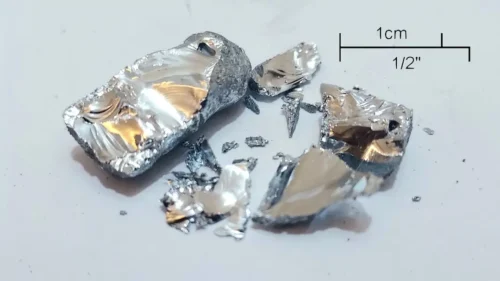
Gallium is required in much smaller quantities, but it plays an important role in semiconductors. Gallium nitride can be used in high-performance power electronics and radio-frequency devices, making the material relevant to the wider AI supply chain.
Germanium is another specialised material used in advanced technologies, while rare earth elements support components and electrical equipment used throughout data-centre infrastructure. Their supply chains are particularly significant because processing and refining capacity is highly concentrated.
Aluminium provides a more practical combination of low weight, corrosion resistance and thermal conductivity. These properties make it useful in data-centre equipment, including heat sinks and cooling systems, particularly as increasingly powerful processors generate more heat.
The broader message is that AI’s material requirements extend well beyond semiconductor chips. Power, cooling and networking infrastructure can drive additional demand for metals, making secure and diversified mineral supplies increasingly important to continued data-centre expansion.