




IBM’s new 2nm processor lets each core run Arm and IBM instructions, combining architectures to support diverse enterprise workloads on future mainframe systems at scale.
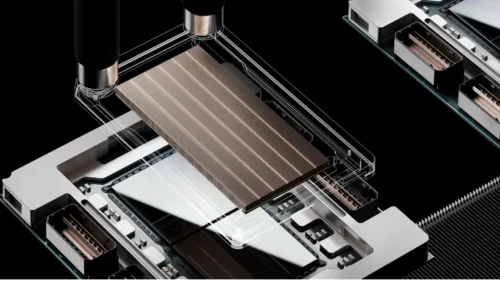
IBM has unveiled a new 2nm processor that brings Arm compatibility to mainframes, with the new processor allowing each core to execute both Arm instructions and IBM Z or LinuxONE instructions. The design aims to let organisations run different software environments within the same processor architecture, potentially simplifying infrastructure choices for enterprise workloads.

The processor was announced at the Hot Chips conference and is being developed for future IBM Z and LinuxONE systems. The article describes it as the first dual-architecture mainframe chip from IBM’s collaboration with Arm, which was established in April.
Instead of building separate Arm and IBM cores, IBM designed each core to natively execute both instruction sets. This allows the two software environments to operate within the same processor architecture, giving organisations greater flexibility when running applications and managing workloads.
The chip uses a 2nm manufacturing process and is designed for demanding enterprise computing. It includes a dedicated on-chip data-processing unit intended to accelerate I/O operations, along with a large cache architecture for workloads that require substantial processing capacity.
IBM says its Z and LinuxONE platforms can scale to hundreds of cores and tens of terabytes of memory. The new processor is intended to help these systems handle large transaction-processing workloads and data-intensive applications while also providing access to Arm-based software.
The development reflects the wider adoption of Arm processors across data centres, mobile devices and increasingly AI computing. By bringing Arm support into mainframes, the processor could make it easier for enterprises to adopt Arm-based applications while retaining established mainframe capabilities.
