

A new tactile sensing system inspired by rat whiskers could help endoscopes detect tissue texture, shape and contact forces beyond conventional visual imaging in practice.
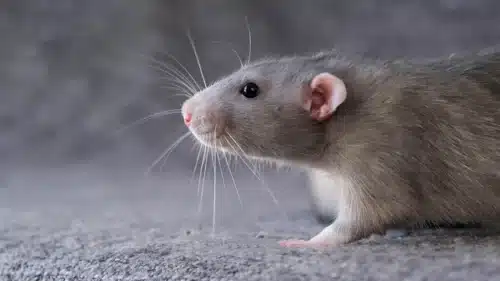
Researchers from Imperial College London and collaborating institutions have developed a bionic multichannel whisker system that could add real-time tactile feedback to endoscopic procedures, helping clinicians sense tissue characteristics and instrument contact that conventional cameras cannot detect. The technology is inspired by the whiskers rodents use to navigate their surroundings.

Tests showed the system could distinguish surface textures, reconstruct local shapes and detect radial contact forces during simulated endoluminal navigation. In shape-reconstruction experiments, calibration reduced vertical measurement error by 63.4%, from 2.22 millimetres to 0.81 millimetres. The sensors also detected very light contact forces, with a threshold of 10.8 micronewtons, while identifying transient collisions and increased pressure against simulated intestinal walls.
The prototype uses flexible whisker-like shafts fitted with strain-gauge sensors. Two configurations were developed: one designed to detect fine mucosal texture and another for measuring radial forces and collisions. Researchers combined the sensing hardware with a calibration algorithm to compensate for manufacturing differences and improve consistency between channels.
The approach could address an important limitation of conventional endoscopy, which primarily relies on optical information. While cameras can reveal visible abnormalities, they cannot directly measure properties such as surface texture, subtle shape changes or mechanical contact. Adding tactile information could therefore improve navigation and help identify features that may be difficult to recognise through imaging alone.

The researchers say the work could contribute to tactile-augmented surgical robotics and more force-aware minimally invasive procedures. Future development is expected to focus on miniaturising the sensors, integrating them with commercial endoscopes, applying machine learning to combined sensor data and conducting biological testing before clinical use is considered.