




What if implants could communicate without antennas or Bluetooth? Researchers are using the body’s natural conductivity to connect tiny sensors and therapeutic devices.

Georgia Tech researchers have developed SWANS, a wireless networking system that lets implantable sensors, therapeutic devices, and wearables communicate through body tissue. The approach could allow a sensor to detect a biological signal in one location and trigger a therapeutic response elsewhere.
Conventional wireless technologies such as Bluetooth and NFC are difficult to use inside the body because tissue restricts their signals. Antennas and power sources can also increase implant size. SWANS instead uses the body’s natural ionic conductivity to transmit small electrical pulses between devices, removing the need for conventional radio links.
Each implant can respond to electrical pulses with specific voltage and duration, allowing devices to be selectively activated or coordinated. This means sensors can be positioned where biological signals are easiest to detect, while actuators can be placed where treatment is required. Multiple devices can therefore form a network across different parts of the body.
The low-power architecture also enables smaller implants. The researchers developed passive devices smaller than 3mm that remain essentially inactive until triggered and can be implanted through a syringe. An actuator triggered once daily was estimated to operate for about a year before replacement, while experiments found no tissue damage from the electrical pulses.
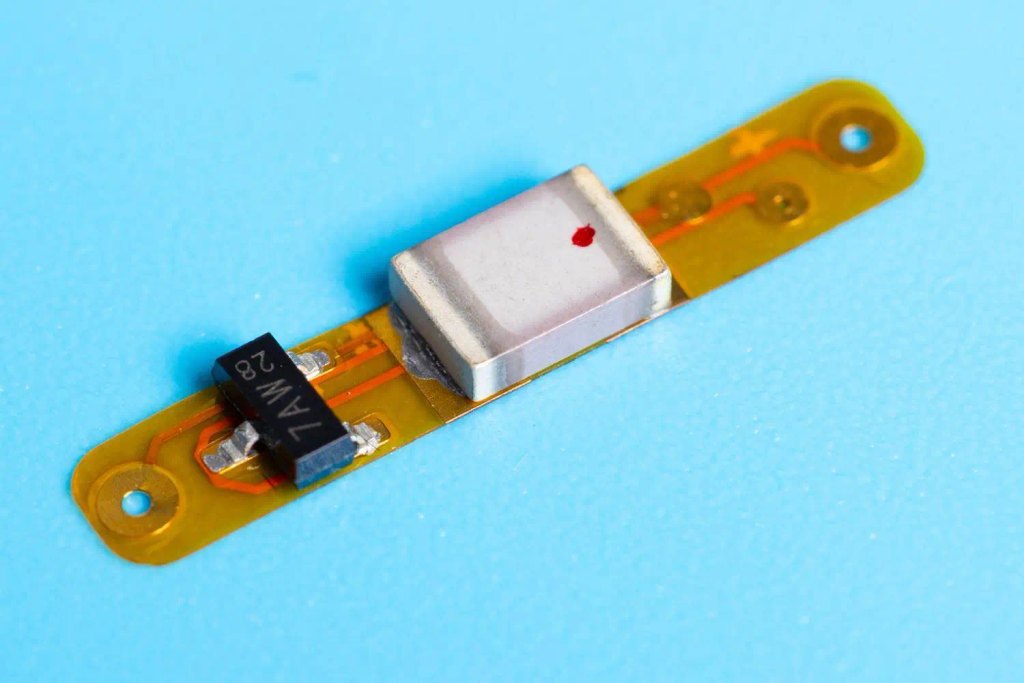
SWANS is designed for simple signals rather than large data transfers, such as detecting an event or issuing a trigger. An external wearable hub handles heavier computation and coordinates information from multiple implants.
The team demonstrated the system in a rat by connecting movement sensors with neural interfaces. A sensor detecting front-paw movement triggered an implant that stimulated a hind-leg muscle, reproducing part of a walking pattern.
The work points towards networks of small implants that can coordinate sensing and therapy across the body. “With our system, you can now place sensors in the best possible place to detect a biological signal and place actuators in the best possible place to perform a therapeutic action,” says Alex Abramson, assistant professor at Georgia Tech.
