

Lower light loss could help quantum computers scale while maintaining reliable communication between components.
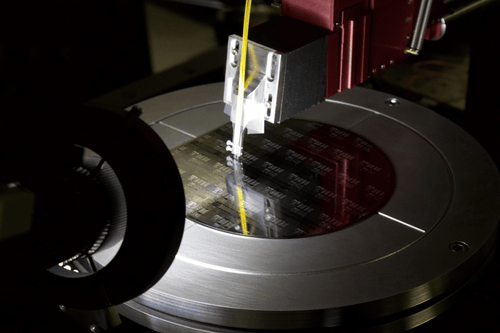
Xanadu Quantum Technologies Limited, in collaboration with HyperLight Corporation, has developed an optical switch using TFLN technology. The new technology reduces the amount of light signal lost when it passes through the switch to just 7 millidecibels (mdB), compared with 20 mdB in their previous demonstration in 2025. The demonstration was performed using a high-volume wafer manufacturing line on HyperLight’s TFLN Chiplet platform. Reducing optical signal loss could help quantum computers scale to more qubits while maintaining reliable communication between components.

“This notable switch insertion loss milestone indicates that Xanadu’s quantum-compatible switches are ready to ramp to production, bringing scalable quantum hardware and utility-scale quantum computing (USQC) one step closer to reality,” said Dr Christian Weedbrook, Founder and Chief Executive Officer of Xanadu. “For Xanadu, minimising optical loss is one of the most critical factors in making fault-tolerant photonic quantum computing commercially viable, and innovative partners like HyperLight are key to our go-to-market strategy.”
Optical switches are used in photonic quantum computers to route the light (photons) that carry quantum information. If the light signal is too weak or is amplified in the normal way, its quantum nature can be disturbed or destroyed. That is why optical switches have to lose as little light as possible when switching. This loss is called insertion loss.
“Achieving 7 mdB switch loss, nearly 3x lower than our previous benchmark set just over a year ago and 10x lower than our closest competitor’s most recent published result, is a major hardware milestone that enhances performance and reduces overhead for utility-scale systems,” continued Weedbrook. “We expect that this advancement will translate into improved manufacturing economics, a reduced footprint, and direct progress along our commercial roadmap. Beyond quantum computing, we believe our ultra-low-loss photonic quantum technology could offer value across the broader data centre ecosystem as data centres become faster and more energy-intensive.”