Due to excessive fatigue, bone fracture or any other injury, our bodies at times experience muscle aches. In order to heal fast, doctors advise restricting the stretching of certain muscles and keeping them at rest as much as possible.
So today, we are going to make a smart Wrong Posture and Muscle Strain Detector device that can measure the limits of muscle stretchability and any strain caused by it.
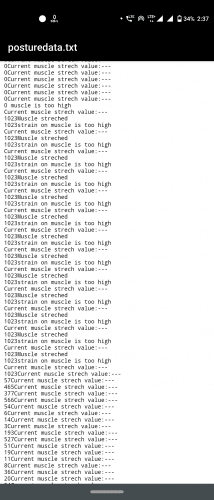
In case of an excess strain greater than the set threshold limit, an alert is issued (to prevent any further damage). The device also saves the collected data on a smartphone by connecting through Bluetooth in real-time.
Arduino Code for Wrong Posture and Muscle Strain Detector
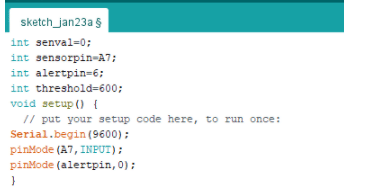
After getting the components, install Arduino IDE in which coding will be done. Here, we need a variable to store the sensor value. Also, define the pin number to read the EMG sensor value. Next, create a variable to store the threshold value, which will notify people about their muscle strain level.
In the setup function, set the baud rate for Bluetooth HC-05. The Arduino Pro Micro has two hardware serial ports: serial and serial1. To implement Bluetooth, use serial1.
Then set the pin mode for the vibration sensor so that an alert or haptic feedback is issued by the device (when too much muscle stress is detected).
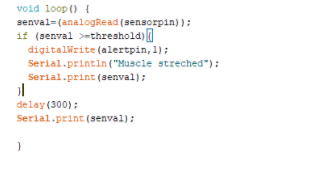
Next, we have the loop function where the EMG sensor value stays in check with the threshold value and gets updated accordingly (i.e. if the sensor value is greater than the threshold value, an alert is given). The value is also sent to the app via Bluetooth.
App Creation
Here, I am using Kodular, but you can also go for Android Studio or MIT App Inventor.
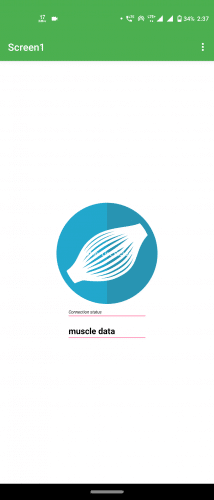
By signing in to Kodular, the app layout is created by dragging and dropping various components such as:
- List Picker
- Text Box (2)
- Clock
- File
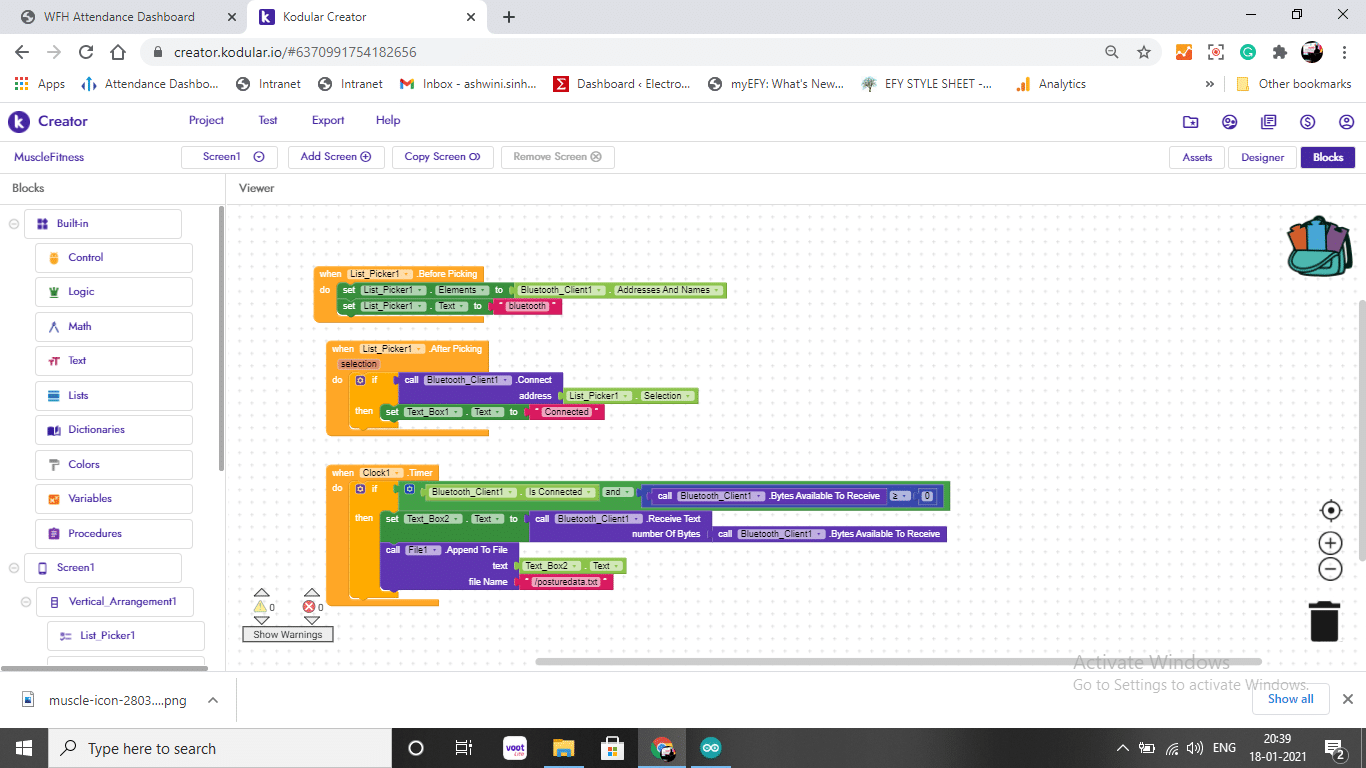
Now, go to the code block menu and join the different code blocks.
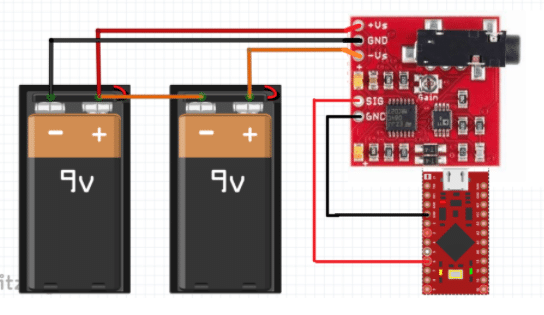
Circuit for Wrong Posture and Muscle Strain Detector Project
Connect the components as shown in the circuit diagram.
Testing Wrong Posture and Muscle Strain Detector
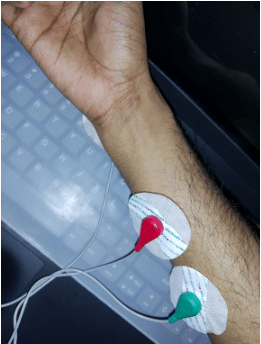
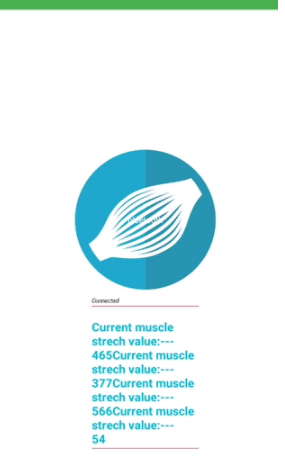
Connect the electrodes to the muscle and then power the device. Now, whenever a muscle movement happens, its stress and contraction data will appear on the application.