As vehicles become increasingly software-driven, success will depend on how quickly ideas can move from concept to production. Discover how automotive new product introduction (NPI) is helping manufacturers turn bold ideas into production-ready innovations with greater speed and confidence.
My conversations with individuals throughout the automotive ecosystem are consistently linked to a single theme. It is not only the electric vehicle revolution that we are witnessing; we are in the midst of a complete transformation of vehicles, their construction, support, and the overall user experience. This is a change I witness daily as a member of TVS Electronics. The mobility shift is unfolding before our eyes through our work on EV charging infrastructure.
We design charging systems at TVS Electronics, ranging from 300W chargers for two-wheelers to 360kW charging stations that serve large bus fleets. That range tells its own story. This is no longer a niche market. It is a diverse and fast-growing ecosystem. The pace of change requires us to re-examine how we manage new product introduction (NPI).
The vehicle has become a software platform
Let’s start with the product itself and explore where automotive NPI is headed. Today, cars are software-first machines. I still remember learning that the amount of code in a modern high-end passenger car exceeds that found in a fighter aircraft. I found it hard to believe until I experienced it first-hand.
My car is a Suzuki XL6, and the company registered me on its Suzuki Connect platform. Initially, it provided information about the car, but later it started alerting me to my driving style. On some days, it rated my behaviour as poor or moderate. When I eventually asked what the system was tracking, I was told it monitored mileage trends and even key driving patterns. It was a reminder that our cars now monitor us almost all the time, often more than we realise.
This shift to software-defined vehicles is driving similar changes in safety systems, artificial intelligence, and connected technologies. These advances are placing increasing pressure on engineering and manufacturing teams to work faster and more accurately.
Where technology meets process
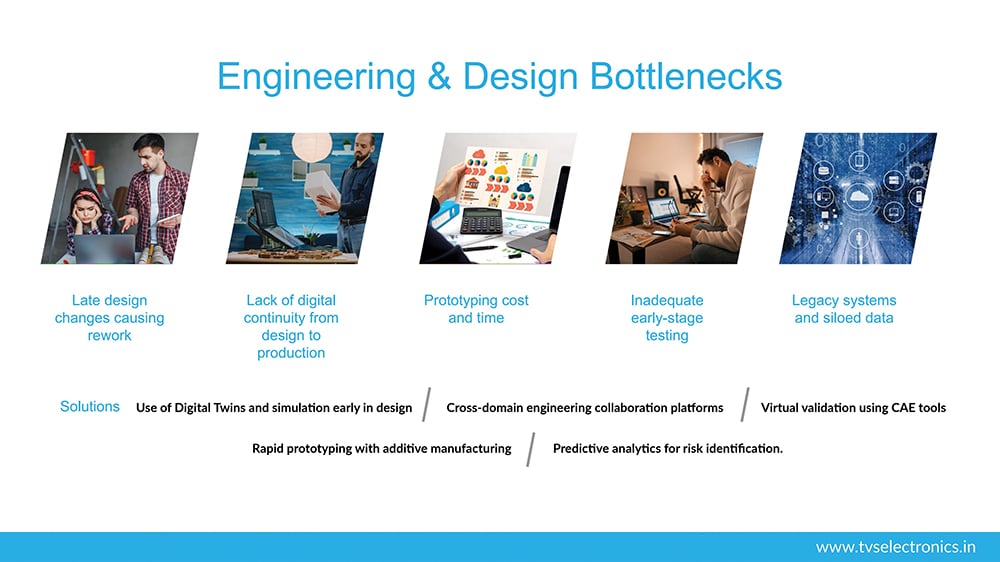
This is where NPI comes in. Even the most innovative product has little value unless it can be manufactured at scale. NPI is where technology meets process. The industry talks extensively about ideation, concept development, and validation. However, the real work begins when a promising design has to move into production.
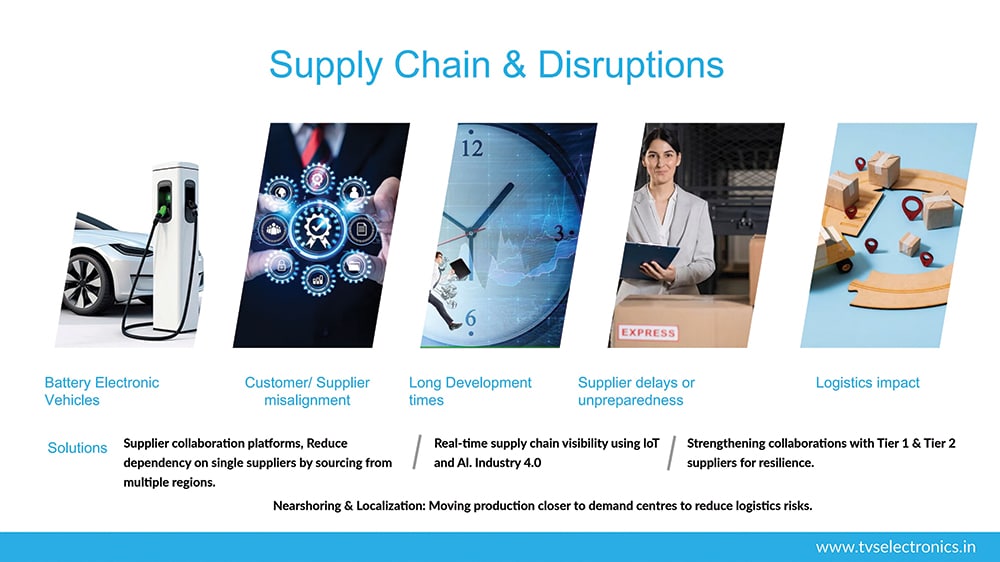
The industry faces several challenges. Regulatory pressure is intense, particularly with the rapid transition towards sustainability. Many in India will remember how disruptive the transition to BS6 was. The automotive industry experienced a temporary slowdown because the shift required significant technological changes within a very short timeframe.
Supply chain disruption has been a persistent challenge. Before the Covid-19 pandemic, supplier delays were frustrating but generally manageable. Suppliers could often be persuaded to expedite deliveries. However, Covid-19 extended semiconductor lead times to 52, 80, or even 100 weeks. We had to rethink everything we knew about procurement.
Customer expectations have become another source of complexity. Customers now expect integrated functionality, advanced driver-assistance systems, highly customised experiences, and continuous feature updates. Even battery chemistry is evolving rapidly.
Engineering in a faster world