




A new electrically driven extraction method could reduce chemical use, energy demand and waste while improving recovery of valuable metals from electronic waste streams significantly.
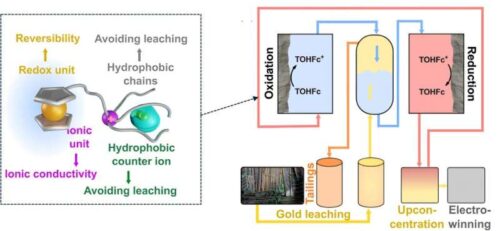
Researchers at the University of Illinois Urbana-Champaign have developed a new electrically driven approach to recovering gold from electronic waste, using a specially designed molecule to reduce reliance on conventional chemical reagents. The work could make metal recovery cleaner, simpler and more energy-efficient.
The study builds on earlier research into a continuous electrochemically mediated liquid-liquid extraction process, known as e-LLE, which demonstrated that electricity could replace many acids and bases traditionally used to separate and purify metals. The latest development removes the need for additional chemical reagents by redesigning the extraction molecule itself.
The multifunctional molecule performs three roles simultaneously: it selectively binds metal ions, carries a permanent electrical charge and remains soluble in the organic phase used during extraction. Because the molecule contains its own charge, electricity can directly control the redox reactions involved in moving the metal during the separation process.
This approach is intended to reduce chemical consumption and the associated waste and energy requirements. In laboratory demonstrations, the researchers used the molecule to selectively recover gold from solutions containing metals produced from discarded electronics.
The researchers said the same underlying approach could be tailored to recover different metals, including materials found in spent automotive catalysts and complex feedstocks. This flexibility could make electrically controlled extraction relevant to broader metal-recovery applications beyond electronic waste.
The work also establishes a framework for developing electrically driven liquid-liquid extraction systems suitable for future scale-up. Further research is expected to examine new molecule designs and industrial applications, with computational modelling and artificial intelligence being explored to accelerate discovery.
By replacing intermediate chemical reagents with electricity, the researchers believe the method could support lower-waste metal separation while addressing growing interest in critical minerals, resource recovery and more sustainable supply chains.

