




What does it take to bring electronic warfare to smaller airborne platforms? A compact approach combines low SWaP, lower cost, and software-upgradeable capabilities.
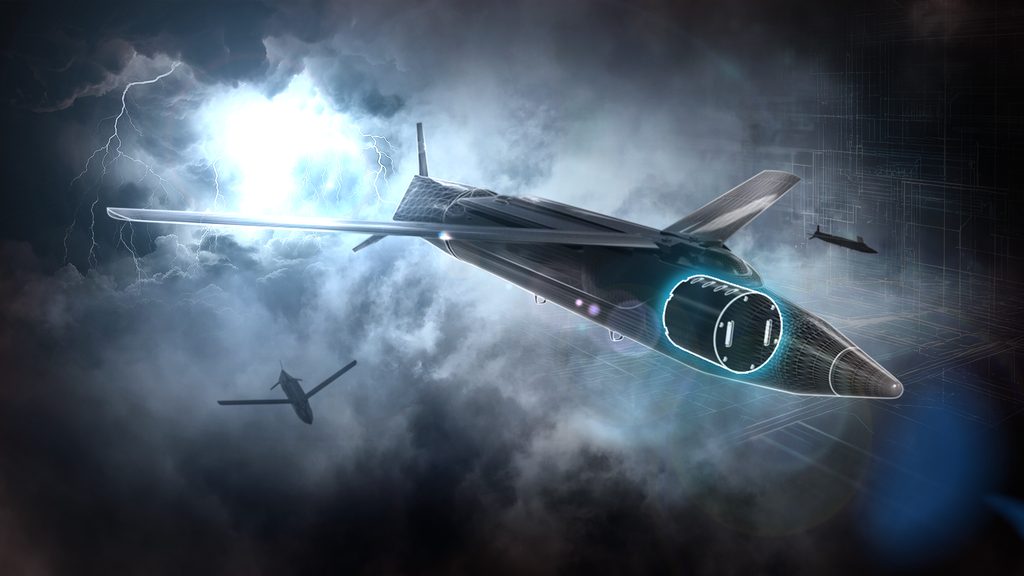
BAE Systems has launched Shadow EW, a family of compact electronic warfare systems for small airborne platforms. The systems are designed to detect and respond to electronic threats while providing situational awareness and self-defence during missions.
The systems support several electronic warfare functions, including targeting, deception, survivability, and collaborative effects delivery. This allows smaller aircraft and other airborne platforms to perform missions in contested environments where access to the electromagnetic spectrum can affect their operation.
Their compact, lightweight, and power-efficient design helps fit these capabilities onto platforms with limited space, payload, and power. The systems are also designed for lower-cost, high-volume production, making it possible to deploy EW capabilities across larger numbers of smaller platforms.
Shadow EW uses commercial microchips for high-performance computing and supply chain efficiency. Its hardware follows open architecture standards, while software-defined functions allow the system to be configured for different missions.
The software is also field upgradeable, so EW capabilities can be updated as threats and mission requirements change. This gives operators a way to modify the system’s functions without having to replace the complete hardware platform.
The family is intended for a growing range of small airborne platforms that need EW capabilities without the size, weight, power, and cost associated with larger systems. Production will take place in Cedar Rapids, Iowa, with software and design work in Nashua, New Hampshire.
“Shadow EW solutions provide flexible, configurable hardware paired with iterative software updates to counter rapidly evolving threats,” says Rebecca Cruz, Director, Shadow EW products at BAE Systems.
For the official announcement, click here.
