

How many apps does charging an EV need? Unified Bharat eCharge aims for just one.
What if charging an electric vehicle (EV) did not require users to think about which network owns the charger in front of them? That is the mission of Unified Bharat eCharge (UBC), a digital public infrastructure initiative designed to connect different EV charging networks through a common interoperable layer.

The need becomes clear as India’s EV charging network grows. Chargers are operated by different companies, often requiring users to switch between apps, accounts, and payment systems. UBC aims to reduce this fragmentation through a shared digital layer where operators publish charger location, connector type, availability, and tariffs, allowing compatible consumer platforms to access this information across networks.
Crucially, UBC does not replace existing networks or infrastructure. Operators keep running their own chargers, while the layer on top lets different networks work together. That makes UBC more than just yet another charging platform. It is an attempt to bring India’s fragmented charging networks onto one interoperable framework and make access less dependent on any single operator.
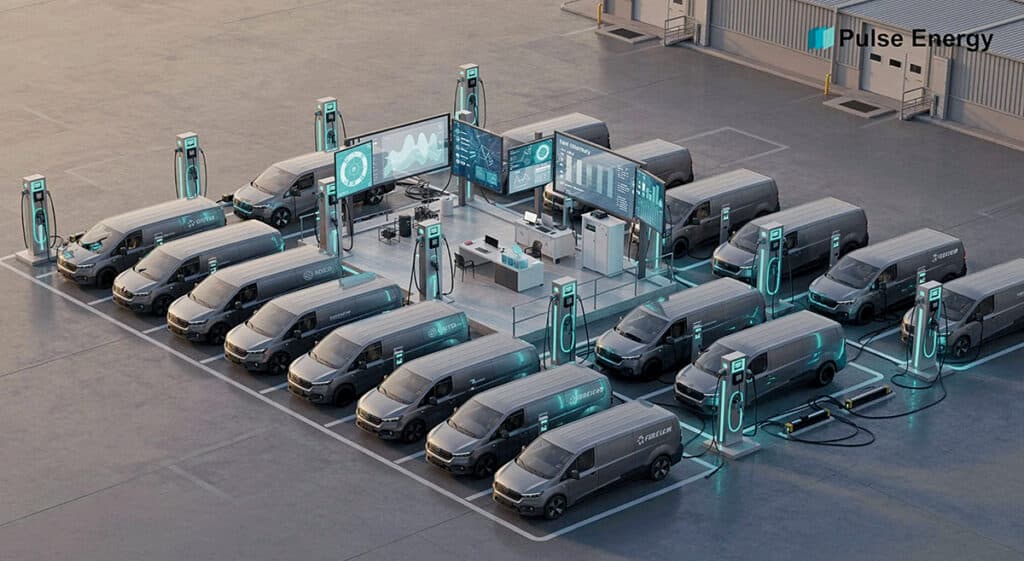
How UBC works
For EV drivers, UBC aims to simplify the process of finding and using public chargers. Instead of checking multiple apps for different charging networks, users can access participating charging points through a single interface. The platform consolidates key information such as a charger’s location, connector type, availability, and pricing, helping drivers choose a suitable station.
After selecting a charger, the user can initiate a charging session and pay via the available UBC-enabled system. The One Bharat Charge platform, for instance, features a common wallet and payment options such as unified payments interface (UPI), allowing users to access chargers across integrated networks without maintaining separate payment arrangements with each operator.