






This tiny flexible implant sticks directly onto arteries, using gentle electrical signals to lower dangerous blood pressure without conventional medicines.
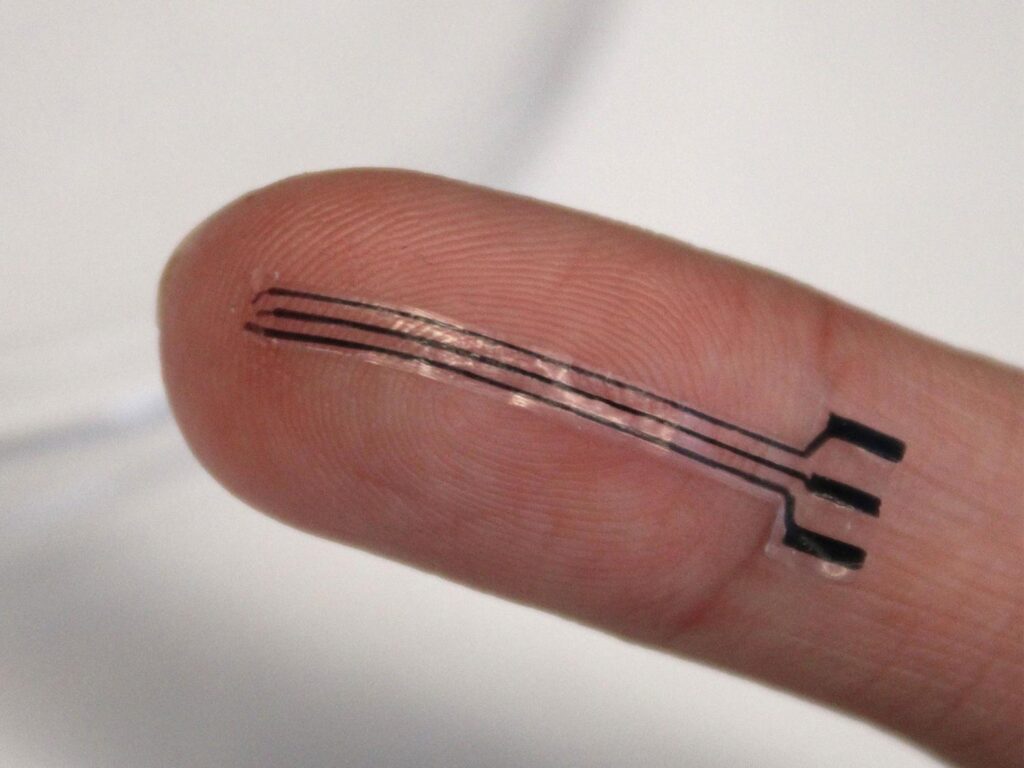
For millions of people living with high blood pressure, medication remains the first line of defense. But for patients with drug resistant hypertension, where even combinations of multiple medicines fail to bring blood pressure under control, treatment options are often limited. Researchers at Penn State may now have a promising alternative, a soft, stretchy implant that gently stimulates arteries using electricity to naturally regulate blood pressure.
Called CaroFlex, the newly developed bioelectronic implant represents a major shift from traditional rigid medical implants. Instead of relying on hard metals and plastics, the device is primarily made from soft hydrogel materials using 3D printing technology. The result is a flexible, tissue friendly implant that can stretch and move with the body’s arteries without causing significant damage or irritation over time.
The implant works by targeting the carotid sinus, a sensitive region in the carotid artery that contains baroreceptors responsible for monitoring blood pressure changes. By delivering carefully controlled electrical stimulation, CaroFlex activates the body’s natural baroreflex system, encouraging blood pressure to decrease without the need for additional medication.
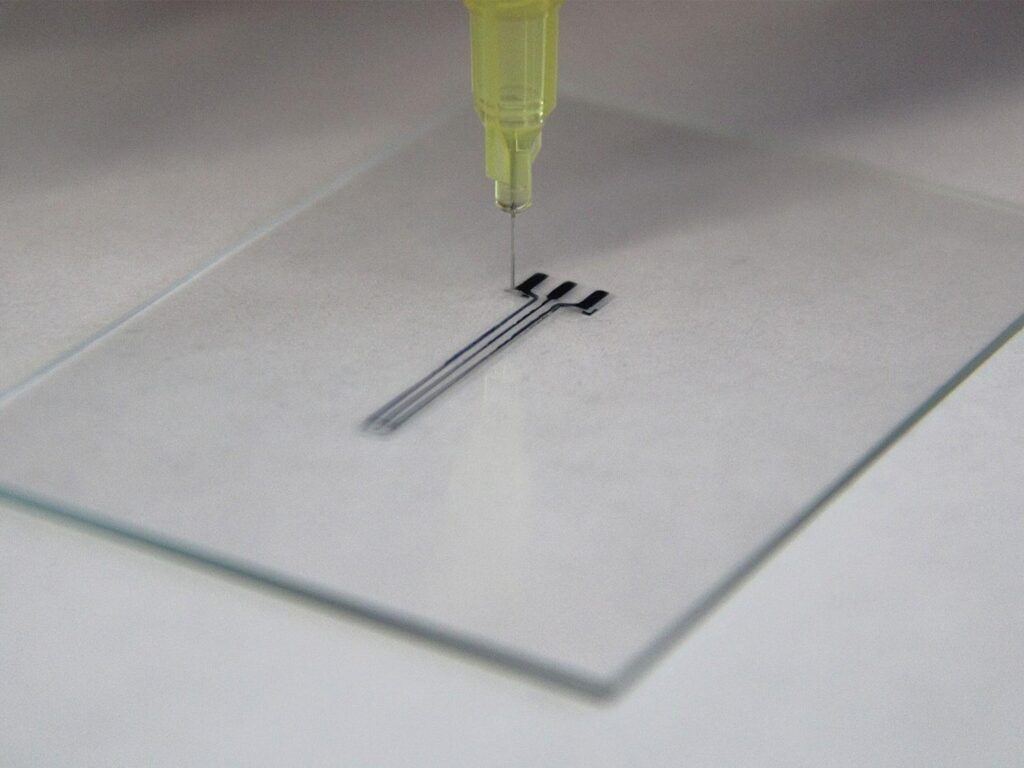
In preclinical rodent testing, the device demonstrated impressive early results. Researchers reported that four out of five tested electrical frequencies lowered blood pressure by more than 15% on average. Equally important, the implant maintained strong adhesion to tissue, delivered reliable electrical performance, and showed minimal signs of inflammation or immune response even after two weeks inside living tissue.
According to Tao Zhou, Wormley Family Early Career Assistant Professor of Engineering Science and Mechanics, the team now aims to further refine the technology and eventually move toward human clinical trials. Beyond hypertension treatment, the research also highlights the growing potential of 3D printed bioelectronics to create softer, smarter, and more biocompatible medical devices designed to work in harmony with the human body rather than against it.

