From smarter compressors to sensor-driven climate control, these HVAC reference designs show how cooling systems are becoming far more intelligent and efficient.
Modern air-conditioning and HVAC systems require high energy efficiency, compact size, intelligent control, and reliable performance to meet the growing demands of residential, commercial, and automotive applications. To achieve these goals, you can use advanced reference designs that integrate power electronics, motor control, sensing, communication, and system management into a single platform. These solutions help you reduce development time, improve energy efficiency, simplify system design, and enhance overall heating and cooling performance.
Air-conditioner outdoor unit
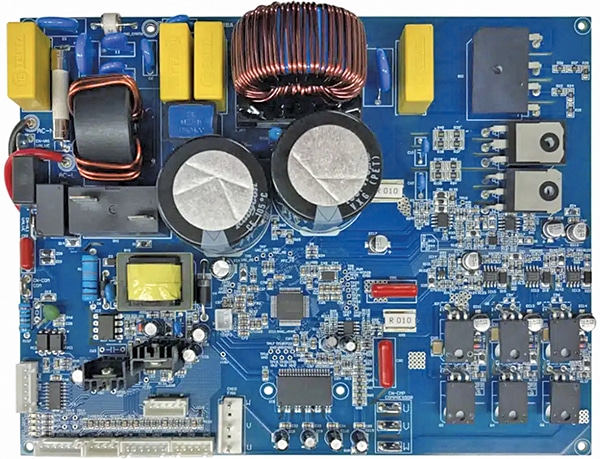
Toshiba’s outdoor air-conditioner design is a compact, energy-efficient system that uses modern electronic controls to run the compressor and fans more smoothly and consume less electricity. It uses advanced switching devices to control power efficiently, and a single main controller manages both motor operation and power correction, reducing size and complexity. The design also includes smart driver circuits for valves, isolation parts for safe communication between indoor and outdoor units, and special components to improve power quality, amplify signals, and detect faults. The system is designed to be smaller, more efficient, and more reliable by carefully integrating various electronic components into a single, coordinated control system.
Applications. You can use this design in inverter air-conditioners and heat pump systems for cooling and heating in homes and commercial buildings.
OEM Brand. Toshiba
See more details about the Air Conditioner Outdoor Unit Reference Design
Air-conditioner
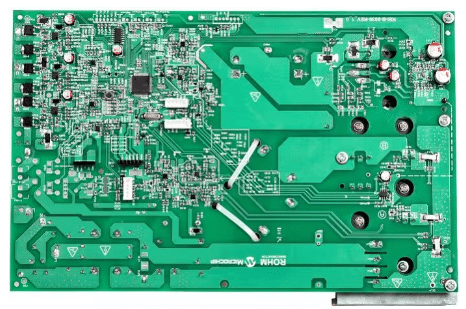
This Microchip design uses a single smart control chip to manage most components of an air-conditioner, reducing the need for multiple controllers and making the system cheaper and simpler. It controls the compressor, cooling fan, and power system in a coordinated, efficient way, helping the air-conditioner use less electricity while still operating smoothly and reliably. The motors adjust their speed based on cooling needs without requiring physical sensors, improving efficiency and reducing complexity. It also tracks temperatures at different points in the system to maintain comfort and performance, and it can control components such as valves that regulate cooling flow. In addition, it generates the required internal power for different components and can communicate with other parts of the air-conditioning system.
Applications. You can use this design in air-conditioners and other cooling systems
OEM Brand. Microchip
See more details about the Air Conditioner Reference Design
Air-conditioner outdoor units