




Could future devices need less software engineering? A chip to cloud platform aims to simplify specialised hardware development.
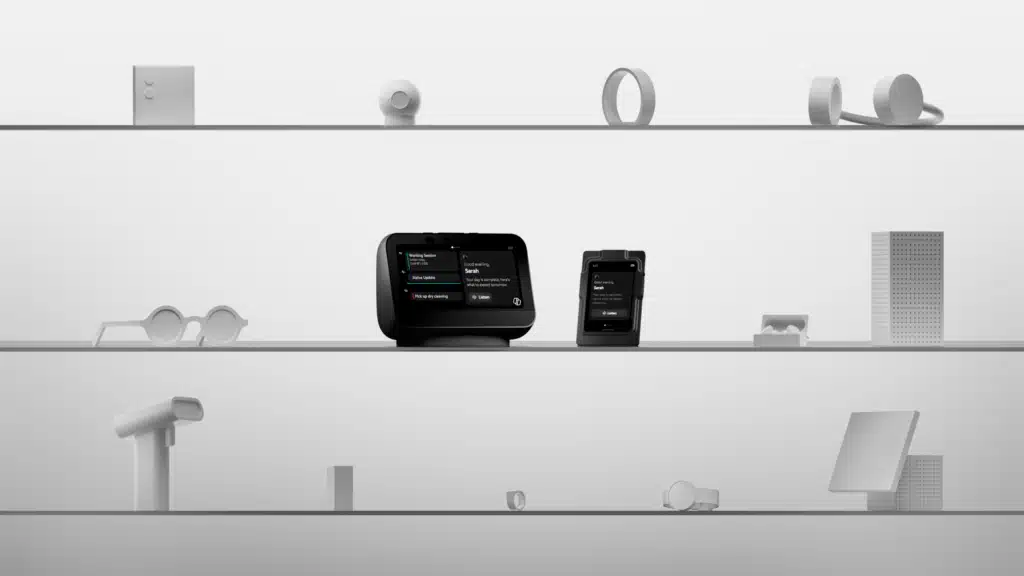
Microsoft has introduced Project Solara, a chip to cloud platform intended to accelerate the development of specialised computing devices built around AI agents. The platform combines hardware reference designs, cloud infrastructure and adaptive software technologies to support new device categories without requiring vendors to build an entire software ecosystem from scratch.
The platform addresses a longstanding challenge in hardware development: the cost and complexity of creating new computing form factors. Traditionally, device makers needed dedicated operating systems, application frameworks, user interfaces and developer tools for each product category. Project Solara reduces this burden through agent based interaction models and adaptive interfaces that can operate across multiple device types. Key features include enterprise grade device management, cloud connected AI services, biometric authentication and support for multiple AI agents.

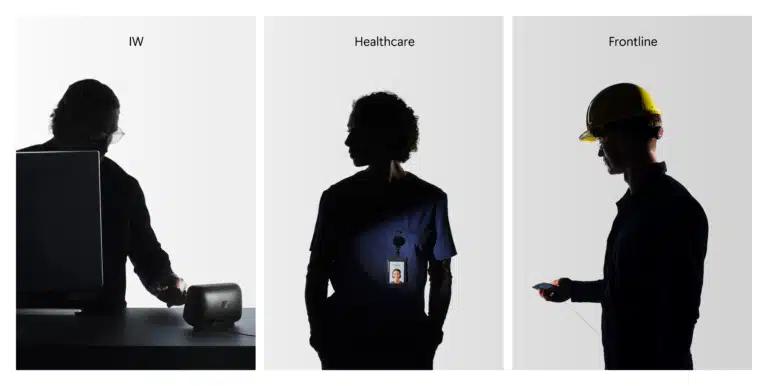
A major focus is the creation of reference hardware platforms that OEMs and device manufacturers can customise for industry specific applications. The architecture supports portable, wearable, desktop and embedded systems while maintaining a common software foundation. Microsoft said the platform is designed to help manufacturers build purpose specific devices for sectors such as healthcare, retail, industrial operations, hospitality and financial services.
A key technical element is the use of AI generated and adaptive user interfaces, which could reduce software customisation requirements for new hardware products. By allowing interfaces to adapt dynamically to screen sizes, input methods and device capabilities, manufacturers may be able to bring specialised products to market with lower development effort.
Additionally, the company is working with semiconductor partners Qualcomm and MediaTek to develop reference designs based on their respective processor platforms. Qualcomm is supporting portable and wearable concepts, while MediaTek is contributing to stationary and IoT oriented implementations.
Click here for the official announcement.

