

A test method defines procedures to measure metal foil surfaces using laser imaging, calibration, sample preparation and surface parameters.
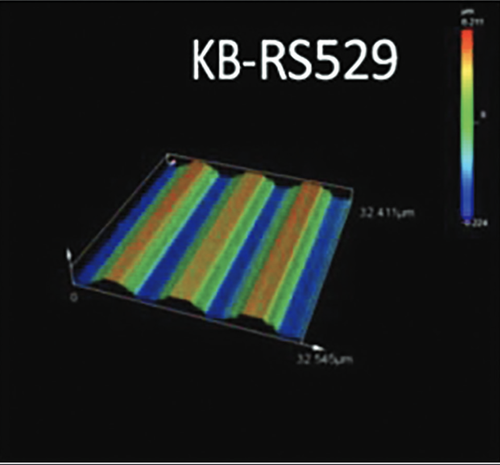
The High Density Packaging User Group (HDP) and the Global Electronics Association have released IPC-TM-650-2.2.23, a test method developed from HDP’s Non-Contact Copper Foil Profile project. Titled 3-D Surface Laser Imaging and Measurement, it defines procedures for measuring metallic foil surface texture using a non-contact 3D laser imaging system.
The method specifies the equipment, sample preparation, calibration and measurement procedures. The system must use a laser with a wavelength between 325 and 410 nanometres and be calibrated using a Rubert roughness standard. Calibration involves measurements at five locations, with four adjacent measurement areas at each location. The results are averaged to determine surface roughness. If the measured value differs by more than 20% from the standard’s certified value, the machine must be recalibrated. Calibration must also be verified at least once a month.
For foil testing, samples must be taken from representative locations and handled carefully to avoid scratches, dents or bending. They must be secured to the measurement stage using double-sided carbon tape or a vacuum fixture to prevent movement without distorting the foil. The same machine settings and procedures used during calibration must be applied during testing.
“This is a significant development as it relates to high-speed, high-performance applications where lower profile copper roughness is necessary,” said Larry Marcanti, Executive Director of HDP User Group. “We thank Tsuyoshi Hiroaki-san of Mitsui-Kinzoku for his leadership of the Non-Contact Copper Foil Profile project and his continued leadership and efforts in the Correlating Copper Foil Profile to Signal Integrity project.”
“The work done by HDP provided us with the empirical data necessary to create this new test method,” said Matt Kelly, CTO, VP Technology Solutions at Global Electronics Association. “We are excited to continue and grow our collaboration with HDP, ensuring standards and test methods keep pace with the latest technology developments and are backed by strong technical data.”