A backpack sized AI based laser system that can detect and burn small drones within seconds, signalling a shift toward infantry deployable directed energy defence tools.
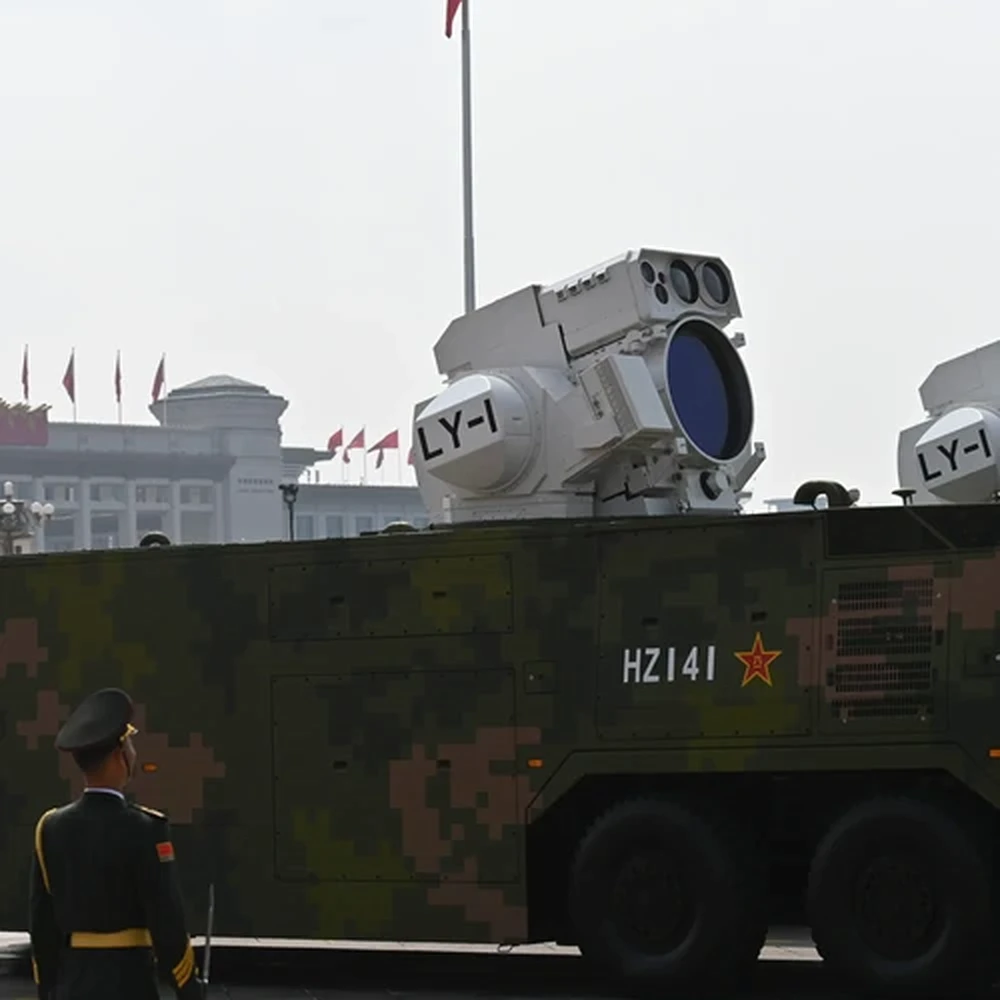
Harbin Xinguang Optic Electronics Technology unveiled the Lijian II and Lijian III, man portable laser systems designed to counter low altitude unmanned aerial threats at close range. Built for infantry use, the systems integrate sensing, control, and laser emission into a modular setup that can be transported by one or two soldiers and assembled in the field.
The growing use of small drones in surveillance and tactical roles has exposed a gap in conventional air defence. Missile based interception is effective but expensive and difficult to scale, while electronic jamming often struggles in complex electromagnetic environments. This has pushed development toward compact systems that can deliver rapid response at lower operational cost.
The Lijian series addresses this shift by focusing on portability and speed of engagement rather than long range power. Each system weighs around 25 to 30 kilograms and is divided into three units, a laser emitter, a cooling module, and a control terminal. Once deployed, the system uses AI assisted targeting to process input from external radar and optical sensors, enabling automatic detection, tracking, and engagement of small drones without continuous manual control.
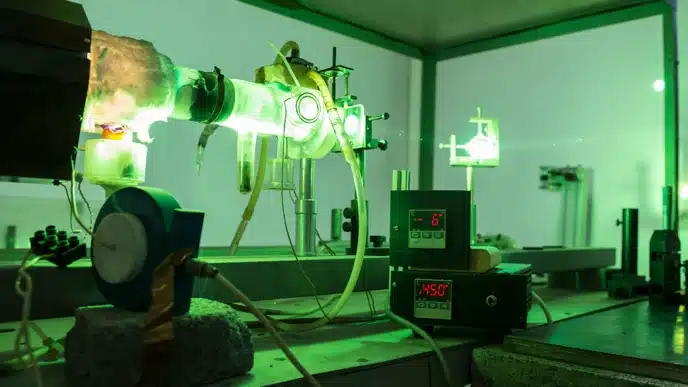
Operating at approximately 2 kilowatts of output power, the system is designed to engage targets at distances of up to 500 metres. When conditions are stable, it can disable a drone in roughly four seconds by focusing thermal energy on critical structural or electronic components. A rapid cooling cycle of about five seconds allows repeated firing, supporting sustained defence during multiple intrusion events.

Unlike traditional interceptors that rely on kinetic impact, the laser approach reduces per engagement cost once the system is in place. The trade off is operational constraints such as line of sight dependency, weather sensitivity, and reduced effectiveness against coordinated swarm attacks, which remain a challenge for directed energy platforms.
Click here to find the official announcement.