A new robotics sensing architecture combines radar, AI compute and real-time control technologies to improve 3D perception and accelerate safe deployment of humanoid robots in real-world environments.
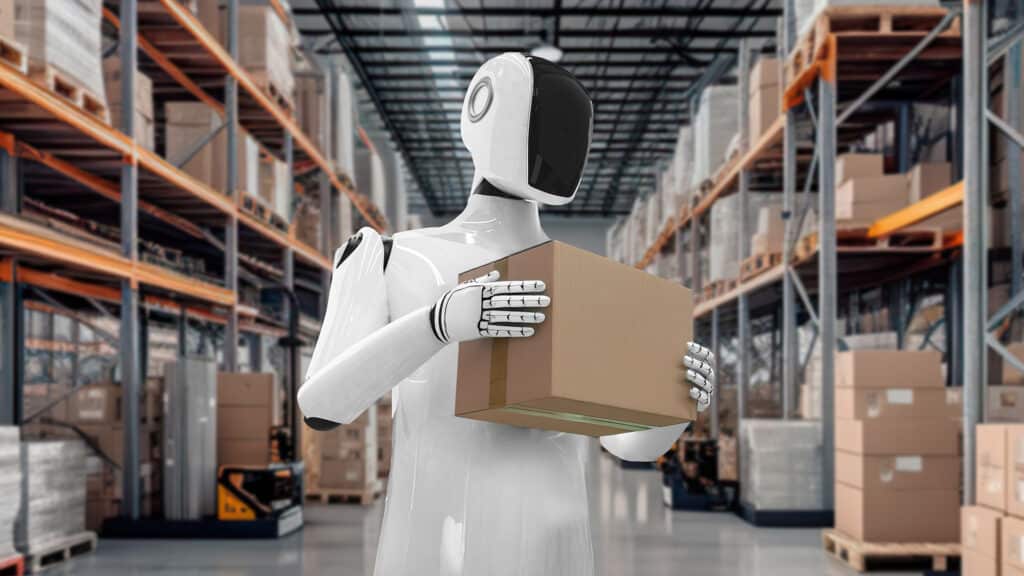
A new sensor-fusion architecture by Texas Instruments designed for humanoid robots aims to accelerate the transition from simulation to real-world deployment by combining advanced AI compute with radar sensing, real-time control and power management technologies. The approach enables robots to better perceive their surroundings and operate more safely alongside humans in dynamic environments.
The solution integrates millimeter-wave radar sensing with high-performance robotics computing and an end-to-end sensor-processing framework to deliver low-latency 3D perception. By synchronizing radar data with camera inputs, developers can improve object detection, localization and tracking accuracy while reducing false positives that often challenge robotic perception systems.
The key features are:
- Radar and camera sensor fusion for improved robotic perception
- Low-latency 3D environment sensing for real-time decision making
- Integration of AI compute with deterministic motor control systems
- Reliable obstacle detection in low light, glare, fog and dust
- Scalable architecture designed for humanoid robot safety systems
The architecture targets one of the biggest challenges in physical AI development: ensuring that robots can reliably interpret sensor data and translate it into safe movement decisions. By linking sensing, networking, processing and actuation technologies within a unified system, developers can validate robotic perception, actuation and safety earlier in the development cycle. This could help shorten the path from prototype systems to production-ready humanoid robots designed for commercial and industrial environments.
Radar plays a critical role in this setup because it complements camera vision in conditions where optical sensing can struggle. Situations such as low lighting, glare, fog or dust can degrade camera performance, while radar can still detect objects and surfaces reliably. This capability also helps robots identify transparent or reflective obstacles—such as glass doors—that may otherwise be missed by vision systems alone.
Developers are expected to apply the technology to humanoid robots operating in places like hospitals, office buildings and retail environments, where safe navigation around people and infrastructure is essential. The integrated hardware and software platform also allows robotics engineers to test perception and motion control systems using real sensor data linked directly with AI models. A live demonstration of the system is planned at a global AI developer conference later this month, showcasing how radar-camera fusion and AI processing work together to enable more reliable robotic perception and decision-making.