




Solar power can drop suddenly and affect energy planning. See how a monitoring system tracks plants and weather to predict output and prevent issues.
If you’ve ever followed a solar plant’s output, you might have noticed sudden drops that seem to come out of nowhere. A single cloud passing by can make production fall sharply, and that makes it hard to predict how much energy will be generated or what prices should be in the energy market. For operators and planners, this uncertainty is a real challenge.
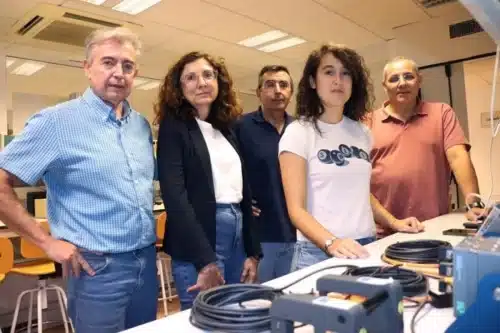
Researchers at the University of Cordoba are tackling this problem with a new monitoring system. This system uses multiple sensors to collect detailed and synchronized information about solar plant performance, as well as the local weather. Using devices called Extended Phasor Measurement Units, or PMUs, the system tracks energy parameters like voltage, current, and frequency, along with solar radiation and other weather data. The devices record data every tenth of a second, producing 2 to 3 gigabytes each month.
What makes this system powerful is that the data is synchronized across multiple locations, including nearby solar plants. That means we can look back at past events to understand what caused fluctuations, and we can also make better predictions for the future. Operators can take action quickly, isolating the system from potential disruptions before they spread and cause bigger problems.
The system doesn’t just help with operations. By providing accurate, real-time information, it can also make energy price forecasts more realistic, reflecting actual conditions rather than estimates. The sensors themselves have been carefully calibrated and tested both in the lab and at two facilities in Pozoblanco, and any discrepancies found have been reviewed. The team is now moving into the next phase, analyzing all the collected data in detail to provide even smarter insights for solar plant operations.
It’s about closely monitoring the systems to gather as much information as possible and being able to react to any negative effects that could affect the stability of the electrical grid,” Víctor Pallares López, Researcher, University of Cordoba


