Embedded devices can use one software system, helping developers build, update, secure, and move products across different hardware platforms.
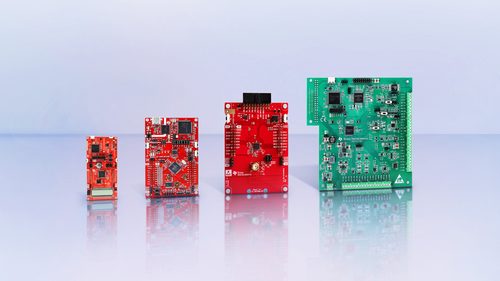
Texas Instruments (TI) has added support for the Zephyr Project across its embedded portfolio, covering microcontrollers, microprocessors, and wireless connectivity devices.
The integration gives developers a common development environment across different TI devices. It is aimed at reducing software changes when moving between devices and supporting development of embedded systems using the open-source Zephyr real-time operating system.
Zephyr can help address a common issue in embedded development, where software may need to be rewritten when hardware platforms change. With TI devices supported by Zephyr, developers can continue using the same open-source development environment while moving across TI’s hardware portfolio.
The support covers developers ranging from hobbyists to professional design engineers. TI also provides Zephyr-based software development kits and updates them to address security vulnerabilities.
The use of Zephyr can also help developers working on products that need to meet software security requirements, including those related to the European Union’s Cyber Resilience Act. Regular software updates are intended to help maintain security throughout a product’s lifecycle.
“With TI and Zephyr, developers get everything they need to design and scale with ease across our full MCU, MPU and wireless connectivity portfolios,” said Marian Kost, vice president and general manager of Wireless Connectivity at TI. “They can stay in the open-source workflow that they know on the TI silicon they trust, leveraging the hardware breadth, software support and supply reliability needed to take a design from prototype to production.”
“A vendor-neutral RTOS only works when companies build on it together, and Texas Instruments making its broad portfolio available on Zephyr is a strong example of that commitment,” said Kate Stewart, Vice President of Dependable Embedded Systems at the Linux Foundation. “Developers can design across TI’s MCUs, MPUs and wireless devices on a common, upstream-first platform, backed by a community that takes security and long-term maintenance seriously.”
Click here for the original announcement.