




A redesigned electrochemiluminescent display combines a faster ionic liquid, asymmetric electrodes, and reflective architecture to deliver brighter, longer-lasting flexible screens for wearables and sensors.
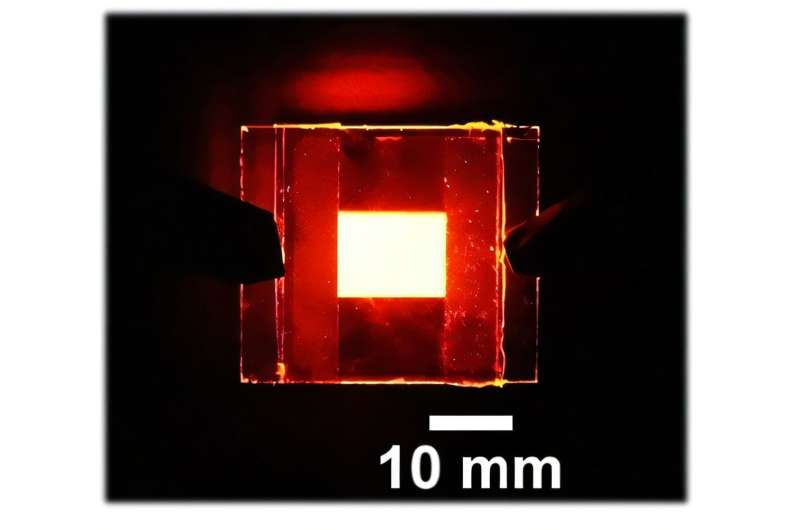
Researchers at the National University of Singapore (NUS), working with Singapore’s Agency for Science, Technology and Research, have developed a brighter and more durable electrochemiluminescent (ECL) display technology aimed at flexible electronics, wearable sensors, and other applications where conventional screens can be difficult to integrate. The redesigned devices reached a brightness of 1,552 candelas per square meter, around three to four times that of a typical indoor smartphone display and 3.2 times higher than conventional ECL devices.
Theadvancement focuses on changing both the electrolyte and electrode structure rather than adding the complex multilayer construction used in many OLED displays. ECL devices generate light through electrically driven chemical reactions in a liquid electrolyte positioned between electrodes. This gives them a thin and flexible structure, but conventional ECL systems have generally suffered from low brightness, short operating times, and inefficient charge transport.
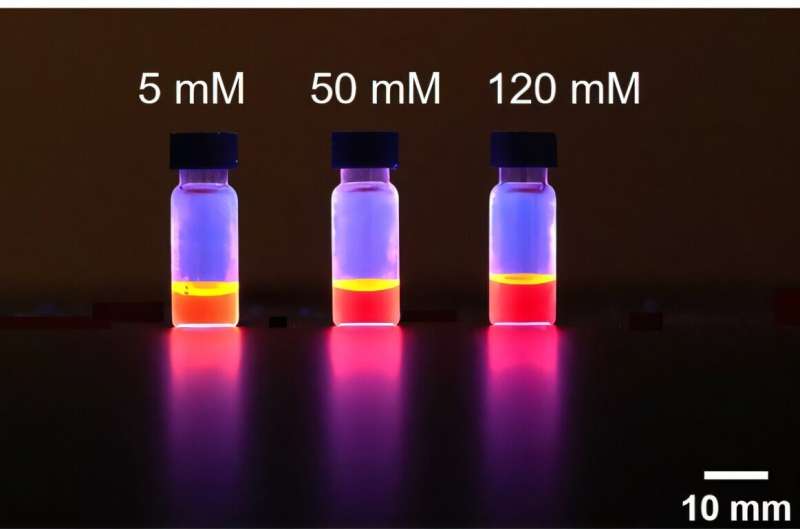
The NUS team replaced the conventional ionic liquid with one containing a smaller negative ion. This allows charge to move more efficiently at the electrode interface while improving chemical stability. At the same time, the positive ion helps dissolve more light-emitting material into the electrolyte, providing more material for the light-producing reaction.
The researchers also introduced an asymmetric electrode architecture. One electrode has a textured surface designed to enhance the chemical reaction, while the other is smooth and optimized for transparency. A thin silver mirror behind the rear electrode redirects escaping light toward the viewer, increasing the effective output without requiring substantially more power.
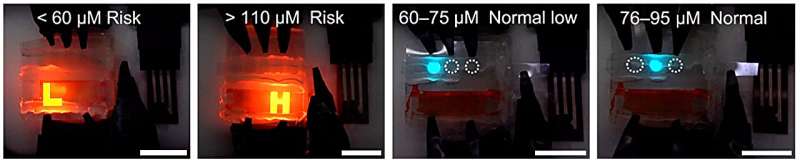
The resulting ECL device maintained substantially higher brightness during repeated switching and operated continuously for about two hours, compared with 29 minutes for the conventional design tested by the researchers. The team demonstrated the technology through a flexible skin patch that used different colours to communicate glucose-related readings from sweat. A digital seven-segment display also showed that the technology can present changing information, while a flexible solid-state version continued glowing underwater. These capabilities could support wearable health interfaces, smart packaging, environmental sensors, soft robotics, and underwater displays.
The next challenge is improving blue and green emission, since red currently provides the strongest output. Researchers are also working toward stretchable and self-healing versions that can tolerate deformation and recover after damage, potentially making ECL a practical visual layer for future flexible electronics.

