Can directed-energy systems move from trials to indigenous production? India is preparing an industry partnership for a 30kW-class laser system.
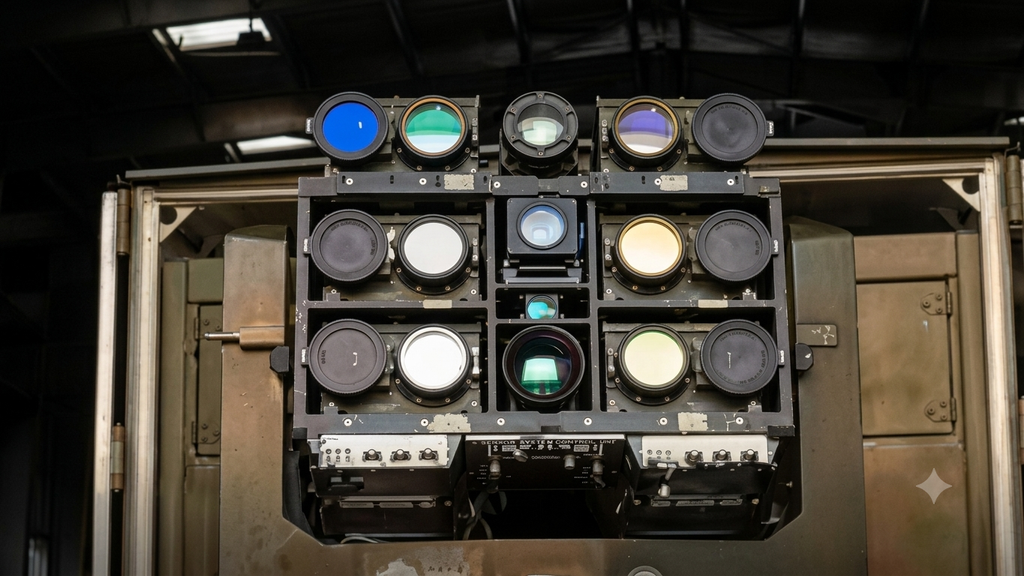
India’s Defence Research and Development Organisation (DRDO) is preparing to take a 30kW-class directed-energy system from successful trials towards production, with an industry partner expected to develop its first production model. The move could give India a higher-power laser capability while expanding the role of domestic industry in manufacturing such systems.
The system, designated DEW MkII (A), is designed to address aerial threats and sensors using a 30kW-class laser. Its ability to deliver both soft-kill and hard-kill effects gives it applications across different stages of an air-defence response, including countering drone swarms, fixed-wing unmanned aerial vehicles, and surveillance sensors. The truck-mounted configuration also allows the system to be deployed as a mobile ground-based platform.
The higher power level builds on DRDO’s earlier 10kW directed-energy system, which has already moved into production. The 30kW-class system therefore represents a progression in the organisation’s directed-energy programme, with the technology moving beyond laboratory and trial environments towards a repeatable production configuration.
That transition is significant because high-power laser systems require more than the laser source itself. Their deployment involves integrating the power system, sensing, control, beam-direction and supporting subsystems into a reliable platform. Moving the design into production also requires manufacturing capabilities that can reproduce the validated system at scale.

Industrial participation is already established around the lower-power programme. Bharat Electronics, Adani Defence and Aerospace, and Astra Microwave Products are involved in manufacturing the earlier system, while Larsen and Toubro and Bharat Electronics have been selected as development-cum-production partners for the 10kW-class system. DRDO is now preparing to identify an industry partner for the 30kW-class production model.
The programme also sits within a wider directed-energy roadmap that includes the 100kW-class DURGA II and the longer-term 300kW-class Project Surya. For the 30kW system, the next step is therefore not simply demonstrating higher laser power, but establishing an industrial pathway capable of turning a validated design into a production system.