Can living microorganisms power electronics for years? A biocell technology is offering a battery-free approach to low-power devices.
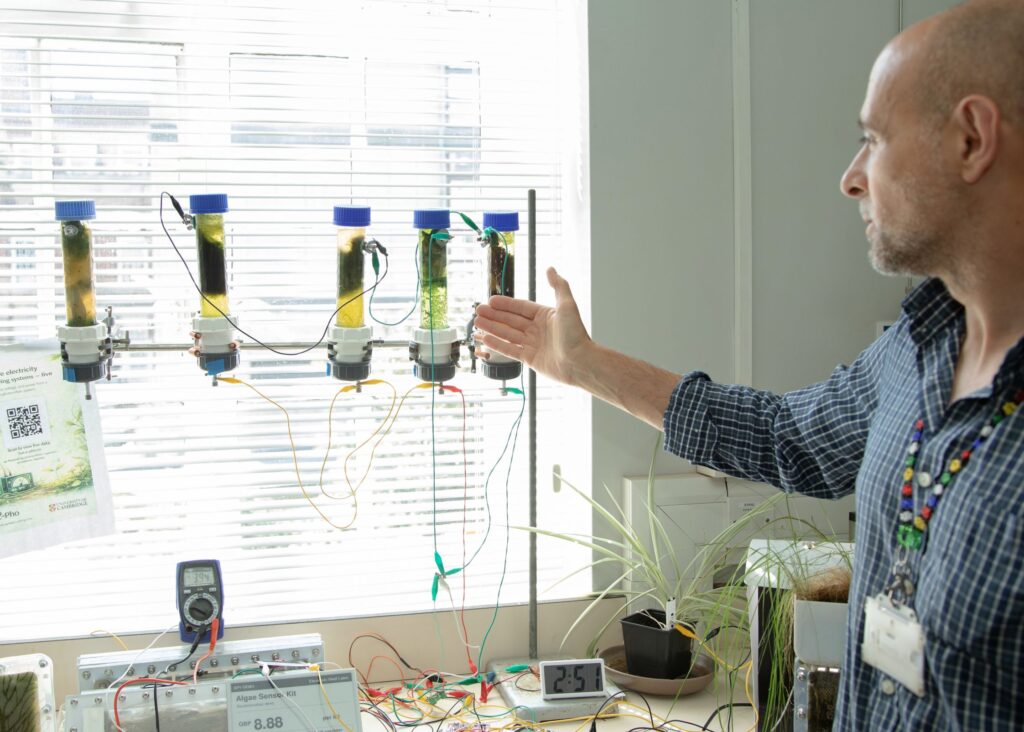
Researchers at the University of Cambridge have developed a living energy system that generates continuous electricity using photosynthetic cyanobacteria, offering a potential alternative to disposable batteries for low-power electronic devices. The technology, known as a biocell, harvests electrons produced during photosynthesis without damaging the microorganisms, enabling sustained power generation for extended periods.
The approach addresses the environmental challenges associated with conventional batteries, which rely on mined materials such as lithium and require periodic replacement. By using living cyanobacteria housed within a sealed enclosure, the system continuously produces a low electrical current while removing carbon dioxide from the atmosphere through photosynthesis. According to the researchers, the organisms continue generating electricity even in the absence of light, allowing uninterrupted operation for applications that require long-term, maintenance-free power.
The biocells are constructed using inexpensive and largely recyclable materials and have demonstrated continuous operation for more than six years in laboratory conditions. Although the current power output is insufficient for energy-intensive electronics, the technology is being developed for devices with low energy requirements, including environmental sensors, smoke alarms and remote controls.
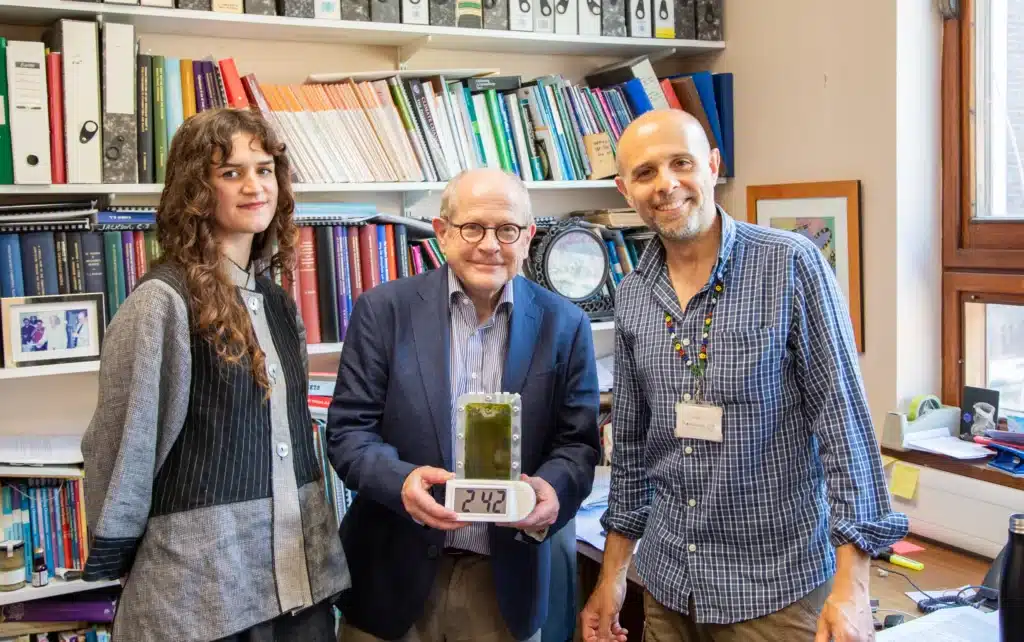
The research team is also evaluating its potential for off-grid applications, where continuous low-power electricity could support monitoring systems and communication devices in locations with limited access to conventional power sources. Through its startup, e-Pho, the team is working to translate the laboratory technology into commercial products and has developed demonstration systems including an algae-powered digital clock and a self-powered plant-monitoring platform.

“This is a completely new way to generate electricity that has the capacity to run and run, even when there’s no light at all, making it a much greener, longer-term alternative to traditional chemical batteries. Our aim is to get rid of the need for batteries altogether,” says Dr Paolo Bombelli, scientific lead of the project and researcher in the department of biochemistry at the University of Cambridge.