




A urine biosensor platform (BSP) developed by researchers of Baruch Padeh—Tzafon Medical Centre, Bar-Ilan University, Israel to improve lung cancer detection for high-risk patients.
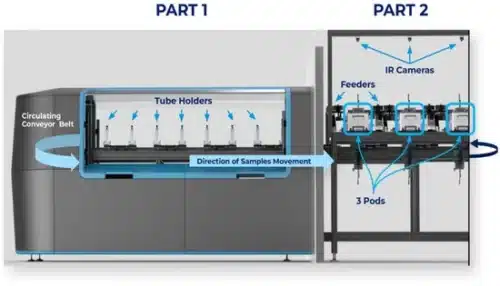
The biosensor technology, innovated by Tzafon Medical Centre, Bar-Ilan University to aid clinical decision-making and bring laboratory research into practical oncology applications. The target audience for this product includes oncologists, healthcare providers, and patients who may benefit from a non-invasive diagnostic tool, particularly those hesitant to undergo traditional invasive procedures.
Current lung cancer diagnostic methods heavily rely on imaging and invasive procedures like biopsies, which can pose risks and discomfort to patients. This highlights the urgent need for non-invasive alternatives that provide timely and accurate diagnoses. The BSP utilizes advanced sensor technology to analyse volatile organic compounds (VOCs) in urine, which may act as biomarkers for lung cancer.
Previous studies have shown associations between specific VOCs and malignancies, indicating that urine analysis could be a viable option for early detection. This research builds on existing findings by assessing the BSP’s feasibility and effectiveness in clinical settings, particularly among patients facing diagnostic challenges.
The study involved high-risk surgical candidates who provided informed consent. Urine samples were collected and stored under strict conditions until analysis. The BSP consists of multiple independent biosensor units within isolated smart pods to prevent contamination. Each pod contains sensors that detect specific VOCs, and samples are analysed sequentially. A machine learning algorithm processes the data to evaluate cancer risk.
The biosensors were trained using known samples, and their performance was tested through double-blind methods with both cancer-positive and cancer-negative samples. To ensure unbiased results, clinical data were retrospectively analysed without clinician awareness of the BSP results.
The study found that the BSP effectively distinguished between urine samples from lung cancer patients and healthy individuals, demonstrating high sensitivity and specificity. Notably, in one instance, a patient with a lung lesion unsuitable for biopsy underwent surgery based on the BSP results, leading to a diagnosis of stage IIA squamous cell carcinoma.
These findings suggest that the BSP could serve as a valuable addition to existing diagnostic methods, offering a non-invasive option that may reduce patient anxiety and improve compliance with screening. However, the authors acknowledge limitations, including a small sample size and the need for validation in larger, diverse populations.
Overall, the research presents compelling evidence for the urine biosensor’s potential to enhance lung cancer detection and inform clinical decisions. Continued research is needed to validate its effectiveness and explore broader applications in oncology, potentially transforming lung cancer diagnosis and improving patient outcomes.
