




Portable biosensors combine genetic technologies and electrochemical sensing to detect food and water pathogens rapidly, supporting on-site testing, faster decisions, and contamination prevention across facilities.
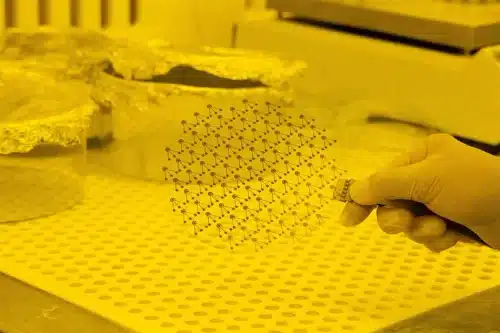
Tekniker, in collaboration with Erreka Medical and the Gaiker technology centre, has developed portable biosensors that integrate genetic technologies and electrochemical sensors into disposable microfluidic chips. The technology enables rapid, on-site detection of biological agents and pathogens in food and water, reducing reliance on specialised laboratories and lengthy analysis processes.
The sensor technology has been validated using real samples from the agri-food sector and closed water circuits in large infrastructures. It is designed to provide results in less than 30 minutes, enabling operators to make faster decisions and respond to contamination risks closer to the point of detection.
For food applications, the biosensor can detect Listeria monocytogenes in dairy products, including milk, cheese, kefir, and yoghurt. The system achieves a detection limit of 1 colony-forming unit per 25 grams, meeting the reported requirements for food-safety applications.
The technology has also been evaluated for monitoring Legionella species in water distribution systems serving large buildings and facilities. Testing achieved sensitivity below 150 colony-forming units per litre, allowing potential contamination to be identified without sending samples to a central laboratory.
The development combines molecular detection methods with electrochemical sensing and microfluidics, allowing multiple functions to be integrated into a compact disposable format. Tekniker contributed expertise in measurement principles, electrochemical detection, sensor development, and validation.
Following validation in agri-food and environmental applications, the researchers plan to extend the technology towards healthcare, including rapid detection of microorganisms associated with sepsis and antimicrobial resistance. Such development could support faster clinical decisions and diagnostic workflows.

