Novo Nordisk and DTU are testing membrane purification to convert pharmaceutical wastewater into reusable production water, potentially reducing freshwater consumption by 50 percent while meeting stringent quality requirements.
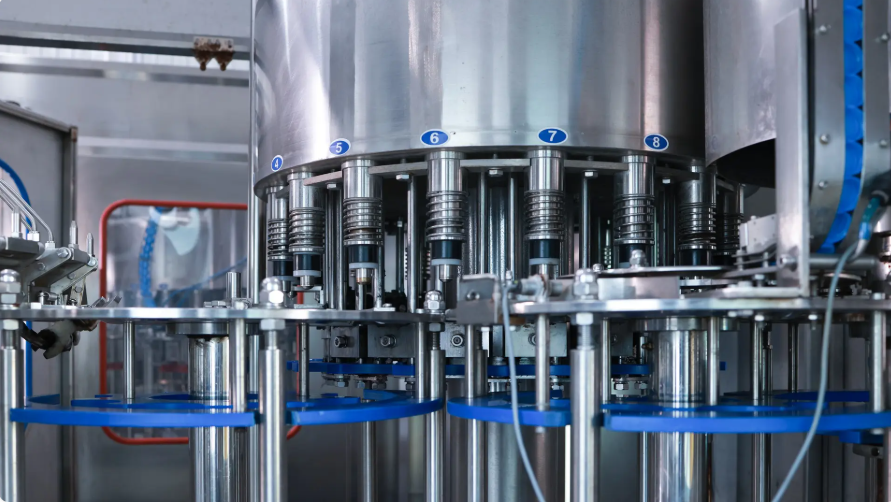
Novo Nordisk is testing a membrane-based water purification system that could allow wastewater generated during pharmaceutical manufacturing to be treated and returned to production. If successful, the approach could reduce water consumption at its Hillerød, Denmark, facility by up to 50 percent, creating a closed-loop water system for drug manufacturing.
The technology is being investigated with researchers from the Technical University of Denmark (DTU). A membrane purification system was installed at the Hillerød facility in December 2025 to determine whether process wastewater can be cleaned sufficiently for reuse. The research focuses particularly on wastewater produced during equipment, tank and system rinsing.
At the heart of the system is membrane filtration, in which water passes through a selective membrane while unwanted dissolved substances are retained. The tested process uses membrane technology capable of removing ions including boron, sodium and silicate. The purified output is then continuously analysed to determine what substances remain after treatment.
This purification challenge is particularly demanding in pharmaceutical manufacturing. Water used to manufacture medicines—especially injectable products—must satisfy stringent quality requirements because contaminants that might be acceptable in conventional industrial water cannot be allowed to compromise drug quality or patient safety. Researchers are therefore combining water-quality measurements with detailed risk assessments to determine whether the treated water can safely return to production.
The potential water savings depend on how many wastewater streams can ultimately be recycled. Novo Nordisk estimates that recycling an initial wastewater stream could reduce water consumption at Hillerød by about 20 percent. If wastewater from pharmaceutical production processes can also be recovered, the estimated reduction could reach 50 percent.
The project illustrates how advanced filtration can shift industrial water management from conventional treatment and disposal toward water circularity. Instead of continually drawing fresh water for manufacturing, treatment systems could recover water already used within the facility and return it to the production cycle.
The research collaboration is scheduled to continue through the end of 2026, when the necessary technical and risk documentation is expected to be available. Depending on the results, Novo Nordisk could move toward a full-scale purification plant at Hillerød and potentially apply the technology at other manufacturing sites.