




A new method keeps ultra-thin superconductors stable in air, making them easier to manufacture for quantum computers and sensors.
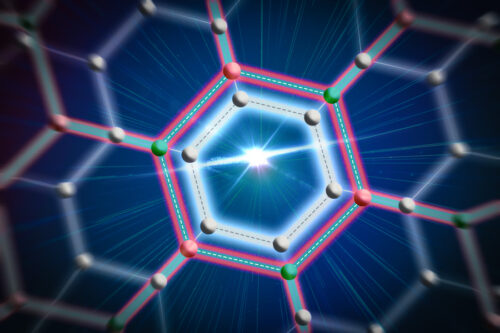
Researchers at MIT, working with collaborators from several universities, have developed a way to produce large-area ultra-thin superconducting material that remains stable in air. The method could help build smaller superconducting quantum computers, quantum sensors, and other quantum devices by making these materials easier to manufacture and integrate into electronic circuits.
The team grew a one-atom-thick superconducting material called niobium diselenide beneath a layer of graphene instead of exposing it to air after fabrication. The graphene acts as a protective cover, preventing oxidation while helping the material grow as a continuous layer across a wafer. This approach produced a film more than an inch in size.
The researchers then integrated the protected superconducting film into a superconducting microwave circuit. Tests showed that the material retained its superconducting properties after fabrication and provided high kinetic inductance, a property that allows quantum circuits to store more energy in a smaller area. This could reduce the size of superconducting quantum hardware by replacing arrays of Josephson junctions with a smaller thin-film component.
Ultra-thin superconductors can conduct electricity without resistance while being only a few atoms thick. Their size makes them suitable for compact quantum circuits. However, materials such as niobium diselenide degrade within minutes of exposure to air, making them difficult to study and manufacture at large scale. Existing methods typically produce small flakes or require processing in oxygen-free environments.
To overcome this, the researchers first placed graphene on a silicon dioxide substrate and then introduced the chemical precursors needed to form the superconducting layer in the gap between the two materials. The substrate helped the crystal begin forming, while the graphene allowed the atoms to spread into a single layer. Because the graphene sealed the material during growth, the finished film could be handled in air without damage.
The team also developed a transfer process that moved the protected film onto electronic circuits without oxidation, preserving its superconducting properties. They say the same method could also be used to produce other atomically thin quantum materials for quantum electronic devices.

