




New processors bring AI acceleration, improved efficiency, and longer battery life to mainstream laptops, targeting students, businesses, and edge devices with a balance of performance and affordability.
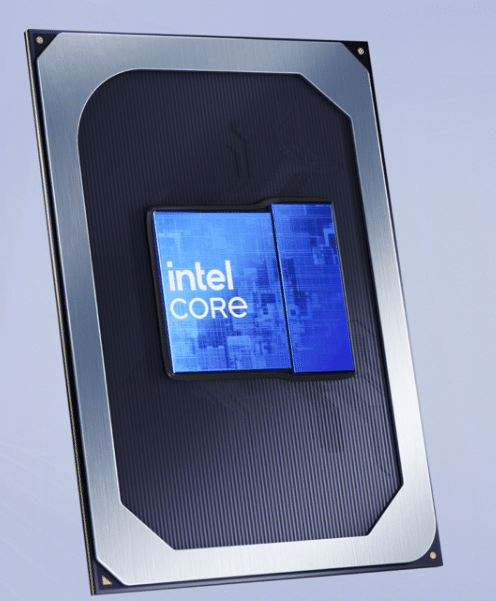
Intel has introduced a new generation of mainstream processors to bring AI capabilities, improved efficiency, and better performance to everyday computing devices, including laptops and edge systems. Systems powered by these chips are already rolling out globally, with broader availability expected through 2026.
Designed for value-driven users, the processors target students, small businesses, and general productivity workloads. The focus shifts from raw performance to balanced computing—combining responsive performance, extended battery life, and integrated AI features in cost-sensitive systems.
Architecturally, the chips adopt a hybrid-core design, combining performance and efficiency cores to optimise power consumption without compromising responsiveness. Typical configurations include a mix of high-performance cores and low-power cores, enabling better multitasking and sustained efficiency for everyday applications.
The key capabilities are:
- Hybrid architecture with performance and efficiency cores
- Integrated AI engine (NPU) for on-device acceleration
- Improved CPU, GPU, and multitasking performance
- Enhanced power efficiency with extended battery life
- Support for modern connectivity and edge deployments
A key highlight is the integration of AI acceleration directly on the processor. Built-in neural processing capabilities enable AI-driven features such as enhanced video calls, noise suppression, and faster task execution, bringing AI PCs closer to the mass market.
Performance gains are positioned as a major upgrade for users on older systems. Compared to PCs from several years ago, the new processors deliver significantly higher single-thread and multi-thread performance, along with notable improvements in graphics and AI workloads.
Power efficiency is another critical advancement. The processors are engineered to deliver all-day battery life, with some configurations supporting extended usage scenarios such as streaming and office workloads, making them suitable for mobile-first users.
Beyond consumer laptops, the chips are also expanding into edge computing applications such as robotics, retail systems, and smart infrastructure, indicating a broader push toward distributed, AI-enabled computing.
Click here for the original announcement.


