

MIT-developed carbon nanotube imaging system identifies bladder cancer biomarkers with unprecedented sensitivity, enabling earlier tumour detection and localisation before visible growth appears, potentially reducing monitoring costs and improving patient outcomes.
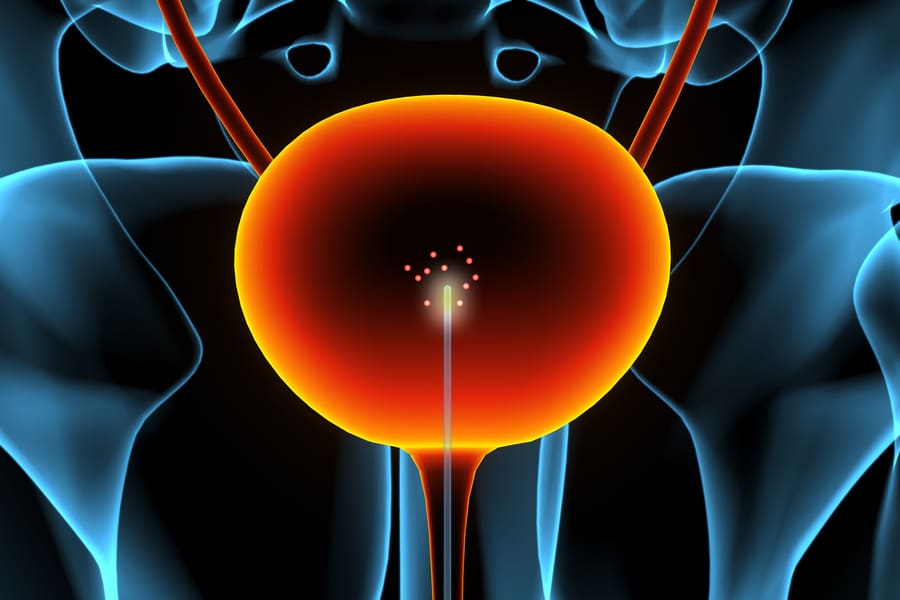
Researchers at the Massachusetts Institute of Technology (MIT) have developed an electronic nanosensor system that could significantly improve the early detection of recurring bladder cancer. The technology combines carbon nanotube-based sensors with a catheter-mounted imaging platform that can detect cancer biomarkers directly in the bladder, potentially detecting tumours long before they become visible on conventional screening.
Bladder cancer affects around 85,000 people annually in the United States and is known for its high recurrence rate, with nearly half of treated patients developing new tumours within five years. Current monitoring methods rely heavily on cystoscopy and urine-based testing, both of which have limitations in identifying tumours at their earliest stages.
The MIT team’s solution centres on a urinary catheter coated with carbon nanotube nanosensors engineered to detect nuclear matrix protein 22 (NMP-22), an FDA-recognized biomarker linked to bladder cancer. Unlike urine tests that measure diluted biomarker levels after excretion, the new sensor captures molecular signals at their source within bladder tissue.
A miniature rotating ball lens embedded in the catheter illuminates the nanotube array with laser light and records the fluorescent response generated when biomarkers are detected. The resulting data creates a “chemical image” that not only confirms the presence of cancer-associated proteins but also maps their location within the bladder lining.

According to the researchers, the approach is nearly 50,000 times more sensitive than traditional urinalysis and approximately 180 times more effective because detection occurs directly at the site of biomarker production. Animal studies showed the platform could identify tumours as small as 16 square millimetres, opening the possibility of intervention at much earlier stages.
The research team is now working to miniaturise the imaging hardware and integrate the sensing technology into cystoscopes already used in clinical practice. Beyond bladder cancer, the modular nanotube sensing platform could be adapted for cardiovascular, gastrointestinal, and other diseases by replacing the molecular recognition layer with sensors tailored to different biomarkers.