

Multi-sensor drones with AI can locate and assess missing persons in real time
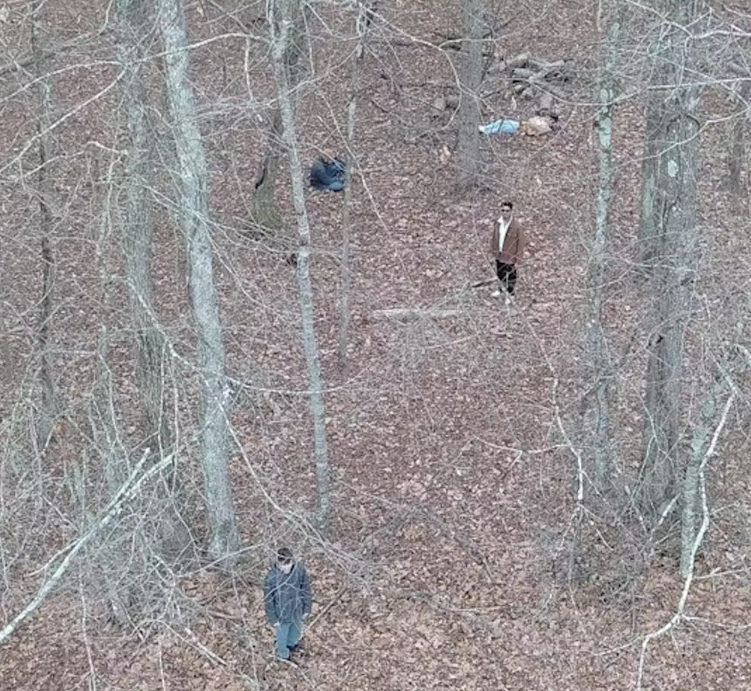
Drones integrated with artificial intelligence are emerging as powerful tools that significantly speed up search-and-rescue operations, enabling teams to locate and assess missing persons more efficiently in challenging environments.
The system combines unmanned aerial vehicles equipped with infrared, thermal, and RGB cameras with AI algorithms that interpret live data feeds. Unlike conventional drone surveillance, the AI layer processes imagery in real time to detect human presence and analyse physical condition.
A key innovation by Kennesaw State University lies in the system’s ability not just to locate individuals but to assess their state. By isolating body features such as the head and extracting forehead temperature from thermal data, the AI can estimate whether a person is conscious, unconscious, or experiencing conditions like hypothermia or heat stress. This provides responders with actionable insights before reaching the site, improving preparedness and response time.
The drone operates autonomously using grid-based flight patterns, systematically scanning large areas and transmitting real-time visuals to a ground station. This reduces reliance on manual searches, which are often slow and resource-intensive, especially in dense forests or under harsh weather conditions.
Speed remains a critical advantage. AI systems can process drone imagery in seconds, compared to the minutes required for human analysis, enabling faster identification of potential targets in time-sensitive scenarios. This is crucial, as survival rates drop sharply the longer a person remains missing.
Beyond detection, the technology enhances operational efficiency by prioritising search zones and reducing the number of personnel required on the ground. It also enables safer missions by minimising human exposure to hazardous terrain.
However, challenges remain. AI models can struggle with accuracy in complex environments such as flood zones or heavily obstructed areas, where visibility is limited, and training data is scarce.As a result, experts emphasise that AI should augment—not replace—human decision-making in rescue missions.
Ongoing research is focused on improving detection accuracy, optimising autonomous flight paths, and integrating predictive analytics to further reduce search times. If successfully scaled, AI-powered drones could redefine emergency response systems, offering faster, safer, and more informed rescue operations.