




From inspection to movement, integrated systems are enabling smarter decisions, reducing manual effort and improving efficiency across manufacturing logistics.
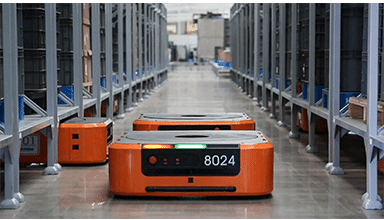
Hikrobot is advancing manufacturing operations with an integrated portfolio of machine vision and robotics solutions aimed at improving efficiency, flexibility and visibility across production and intralogistics environments. As product cycles shorten and SKU diversity increases, manufacturers are facing growing complexity in warehouse management, material handling and cross-floor logistics, creating a need for more adaptive and automated systems.
The offering combines machine vision technologies such as smart cameras, area scan cameras and 3D imaging systems with robotics platforms including autonomous mobile robots, forklift mobile robots and latent mobile robots. These systems are supported by AI-based code readers and software platforms designed to streamline inspection, tracking and data management processes. Together, they enable more consistent quality control and reduce reliance on manual operations in industries such as electronics, automotive, pharmaceuticals and logistics.
To address operational challenges such as varied SKUs, complex workflows and multi-level material movement, the solution adopts a goods-to-person approach using fleets of mobile robots for transport tasks. Warehouse Control Systems integrate with infrastructure elements such as elevators and automated doors, while intelligent warehouse management systems connect with enterprise platforms including MES, ERP and order management systems. This layered integration allows coordinated task execution, real-time monitoring and improved traceability.
A central component of the system architecture is the RCS 2000 robotic control platform, which enables multi-robot scheduling, path planning and traffic management. It supports interoperability across different robot types and external equipment while incorporating AI-based dispatching to optimize task allocation and improve overall throughput. Compatibility with existing industrial systems allows gradual deployment without major disruption.
In a compressor manufacturing facility with high production volumes and complex logistics requirements, the deployment of mobile robots integrated with control and warehouse systems enabled automated material handling across floors, reduced manual transport distances and improved operational efficiency, while supporting digitalized inventory and process management.
Click here for the official announcement.

